



Nordic regions turn waste streams into local value

The beating heart at the centre of modern society’s complex interaction between productivity and waste creation is the circular economy. To provide for the transportation, energy and agricultural needs of a growing population, communities must utilise every resource in the value chain and avoid discarding materials simply because their primary purpose has been served. The EU-funded TREASoURcE(opens in new window) project addressed this challenge by creating systemic, place-based circular solutions that integrate the dynamics of cities with their surroundings. Aligned with the Circular Economy Action Plan(opens in new window), TREASoURcE’s innovative solutions demonstrate reductions in consumption, reliance on fossil fuels and GHG emissions, while simultaneously benefiting local communities.
The local bioeconomy model and end-of-life vehicle batteries
Part of the Circular Cities and Regions Initiative(opens in new window), TREASoURcE is committed to finding solutions on the local level, bringing together community stakeholders that can best utilise waste streams and advance local economic opportunities. The project focused on Nordic countries, where strong support for environmental targets contrasts with challenges posed by low and decentralised volumes of recyclable materials. Results were also replicated in the Baltic region. Pilots in Finland and Norway explored ways to extend the life of electric vehicle batteries. When end-of-life vehicle batteries are no longer suitable for automobiles, they still retain up to 80 % of their capacity. TREASoURcE set up and tested second-life battery energy storage systems to tap this unused resource. This solution was particularly efficient at peak shaving, where electricity use is reduced during times of high consumption.
Valorising organic waste streams
Bio-based side streams gave the project the perfect opportunity to capitalise on the rural–urban symbiosis. Organic waste streams from agriculture, food production and bioeconomy industries brought rural producers in contact with urban users. The project built a local value chain using local resources to create biogas and recycled fertilisers. To make the most of the economic opportunities inherent in circular solutions, TREASoURcE designed a digital marketplace to connect sellers and buyers of waste streams and bio-based products. In Finland, the project developed the KiertoaSuomesta.fi(opens in new window) platform, creating new business opportunities for producers of manure, straw, sludge and other organic waste streams. “The project strengthened rural–urban symbiosis by connecting rural producers with processors and urban users. Digital tools such as the KiertoaSuomesta.fi website and the Rural and Urban Symbiosis tool(opens in new window) supported identification and reuse of materials, prioritising higher‑value applications, reduced waste and improved regional resilience,” says project partner Riina Kärki.
A place for circular plastics
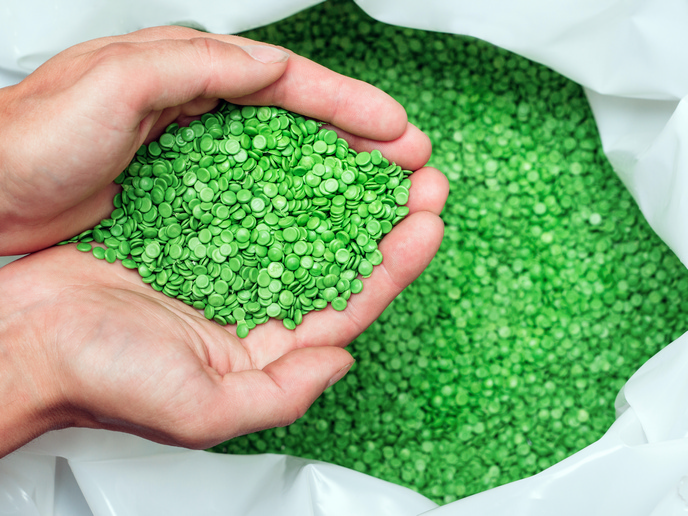
In addition to EV batteries and waste streams, TREASoURcE also targeted plastics for increased circularity. In addition to flexible plastics, the project focused on rigid plastic waste that is not currently recycled, such as pipes and furniture. A campaign to collect, evaluate, sort and pretreat plastic waste streams was critical to success. At its pilot sites, the project evaluated nine plastic waste streams for the suitability of different recycling technologies. Using mechanical and chemical methods, TREASoURcE was successful in breaking down previously discarded plastics into virgin-like quality materials. “We found that with chemical recycling, especially catalytic pyrolysis, we were able to convert mixed plastic waste from municipal, industrial and agricultural sources into valuable chemicals, such as BTX aromatics,” shares research scientist Farah Siddiq. Circular economy solutions that operate locally and connect cities to their regional surroundings are key to the success of Europe’s Green Deal initiatives, and TREASoURcE is on the right path. As Siddiq explains, “There is a growing interest from municipalities and businesses seeking practical circular economy solutions, creating a strong foundation for deployment and scaling beyond the project’s lifetime.”