Reducing aircraft emissions starts well before take-off

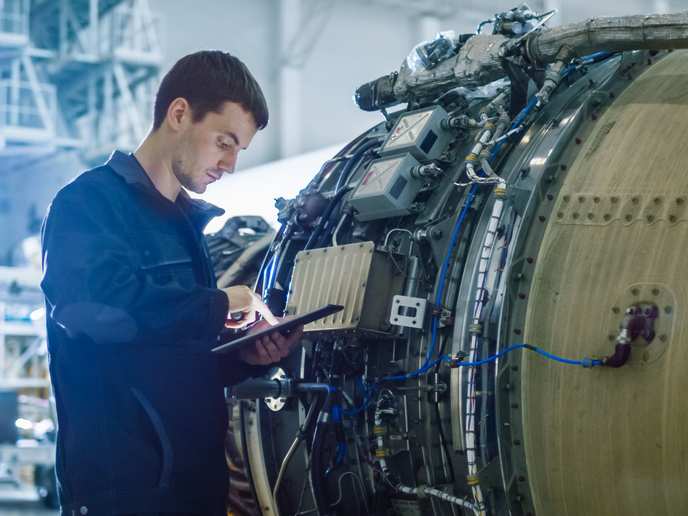
While aviation’s environmental footprint is typically discussed within the framework of aircraft emissions, it doesn’t stop there. In reality, the industry generates a significant amount of waste through retired aircraft, expired materials and disposed of parts. But it doesn’t have to be this way. According to some estimates, up to 90 % of an aircraft’s total weight can be either reused or recycled. Helping to make sure that actually happens is the EU-funded GENEX(opens in new window) project. “Reducing aviation emissions starts with designing more efficient, longer-lasting parts and components, which is exactly what the GENEX project set out to achieve,” says Andrea Calvo Echenique, a researcher at the Technological Institute of Aragon(opens in new window) (ITA), the project’s coordinating partner.
Digital twins for a longer-lasting aircraft component
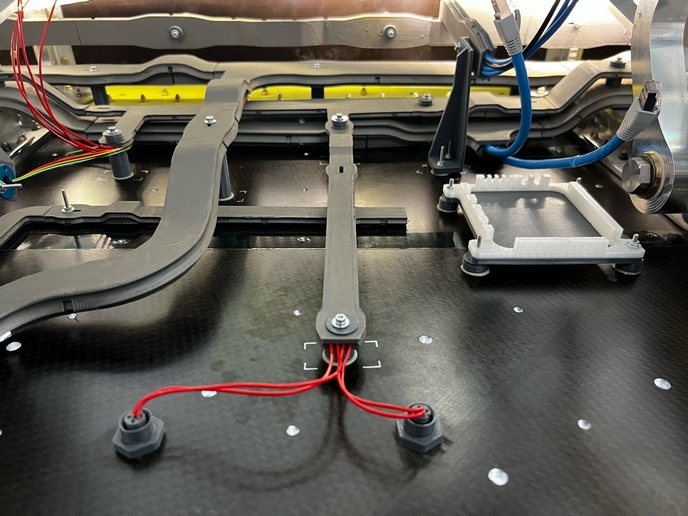
Bringing together 15 partners from across academia and aviation(opens in new window), the project zeroed in on addressing real industry needs. “Guided by an advisory board of aviation experts, we could quickly discard non-relevant or uncertifiable technologies and instead focus on those that bring the most value to the industry,” explains Calvo Echenique. One of those areas of focus was the advanced and efficient manufacturing of composites, including the use of recyclable resins and out-of-autoclave automated fibre placement processes. But what really sets these composites apart isn’t the fact that they can be reused, but that they are functionalised with digital sensors capable of monitoring the health of the aerostructures they are used in. “The data collected by these sensors is converted into a digital twin of a structure, which we can then use to, for example, monitor, detect and locate damage, as well as model a part’s lifespan and implement predictive maintenance,” adds Calvo Echenique. “The net result is a longer-lasting component.”
Digitally assisted aircraft repair processes
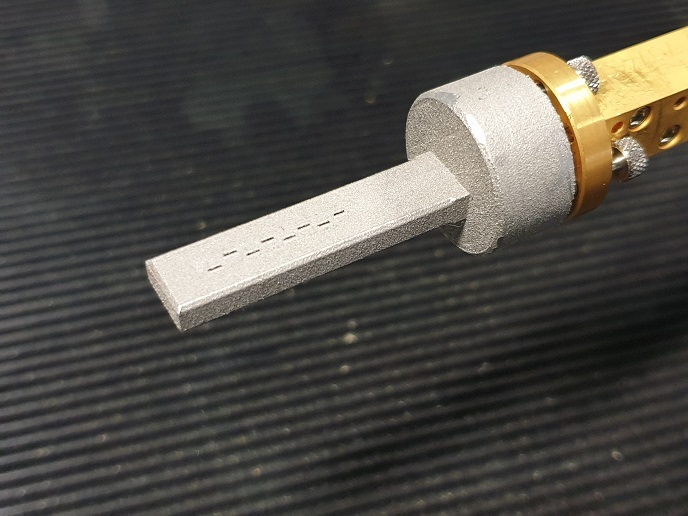
While using digital technologies to extend a component’s lifespan already helps reduce aviation’s environmental footprint, the project went one step further. They also developed digitally assisted repair processes and tools. “Besides our solutions for manufacturing and structural health monitoring, the digitalisation of repair processes has, in my opinion, been one of the project’s most outstanding results,” notes Calvo Echenique. The project’s digital repair solutions include virtual assisted scarfing, laser contamination detection and cleaning, and digitally assisted hot bonding processes. “Digitalising repair improves results, allowing for faster and more reliable repairs and thus reducing downtimes and increasing an aircraft’s airworthiness,” remarks Calvo Echenique. The solutions also received high praise from across the aerospace sector, with many stakeholders enthusiastic about pushing them to higher technology readiness levels.
Reducing an aircraft’s overall CO2 footprint
GENEX delivered a pipeline of interconnected processes – from component design to its end-of-life – all of which lead to a more efficient and sustainable aerospace sector. “By developing sustainable materials, low-energy manufacturing processes and digital technologies for expanding a component’s lifespan, GENEX is helping reduce an aircraft’s CO2 footprint,” concludes Calvo Echenique. “In doing so, we’re moving Europe closer to achieving its goal of becoming the first carbon-neutral continent.” Many of the project’s partners continue to collaborate via new Horizon Europe projects, including TOSCA and CompSTLar.