Discovering a shared pastoral worldview

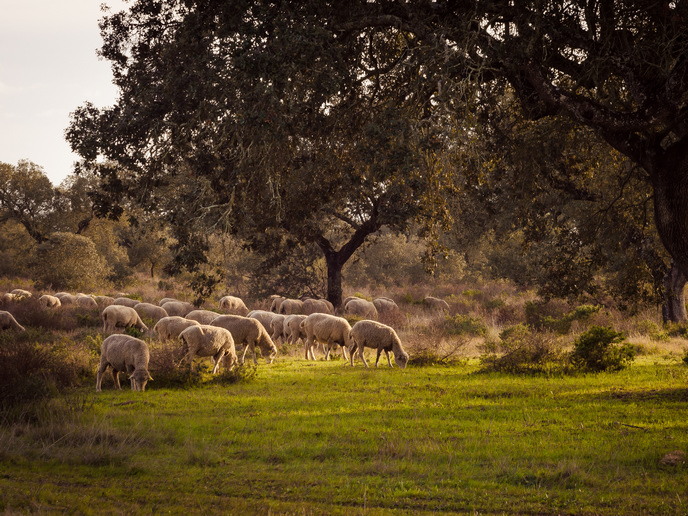
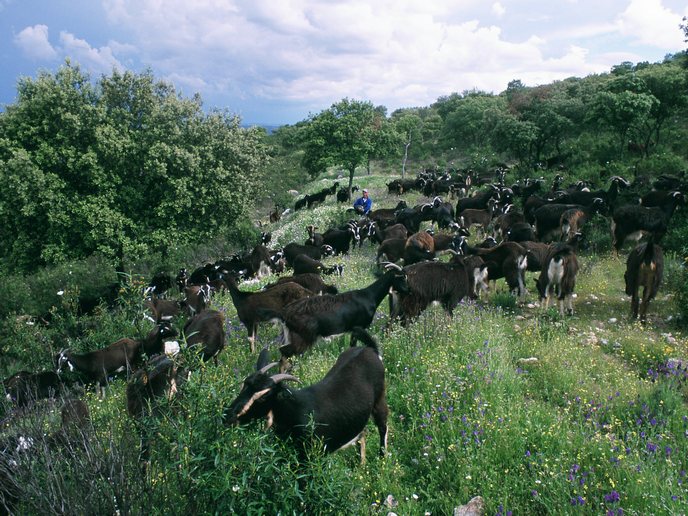
The EU-funded CoCo(opens in new window) project was launched in 2024 to develop sustainable solutions that can help humans and wildlife thrive side by side across Europe’s pastoral landscapes. By combining scientific knowledge, traditional practices and personal experiences, the project aims to find a balance that can benefit not only people but nature too. In pursuit of such knowledge, in April 2026 the CoCo team visited the green mountains of Asturias and Cantabria in northern Spain to learn about local pastoral traditions and the challenges pastoralists face with regard to wolves. The insight they gained far exceeded their expectations.
A common language
As they visited farm after farm, the project team came to an important realisation. As reported in the press release(opens in new window) posted on the website of CoCo project partner European Landowners’ Organization, Belgium, “pastoralism connects people across continents through a shared way of seeing the land, livestock and life itself.” This awareness is perfectly illustrated by a traditional wooden stick seen at the farms that was just like the stick pastoralists in Tanzania use. Here was a tool, identical on two different continents, shaped by centuries of herding practice in two distinct, independent cultures. However, according to Ana Grau Valenciano of Spanish project partner Agri-Food Research and Technology Centre of Aragon (CITA), the Spanish and Tanzanian pastoralists have more tools in common. “Pastoralists in Spain and East Africa share a worldview,” comments the CITA researcher, who spent over a decade working with pastoralist communities in Tanzania in tackling challenges related to the presence of lions. “It’s a relationship with animals, landscapes and movement. Even when the contexts differ, the identity feels familiar.” Sara of Quesería Enrique Remis, one of the cheese houses visited that month, found similarities between the Tanzanians’ coexistence with lions and her farm’s own experiences with wolves. “Listening to Ana talk about lions, I realised that many of the feelings and challenges are similar,” she notes. “Even though the wildlife is different, the conversations around concerns, adaptation and connection to the land felt very close to home.”
The year of awareness raising
There are more than 500 million pastoralists worldwide who manage almost half of the Earth’s land surface. As 2026 is the International Year of Rangelands and Pastoralists (IYRP)(opens in new window), CoCo has joined a global coalition of organisations raising awareness about the key role that pastoralists and rangelands play in ensuring food security, biodiversity and sustainable land management. Throughout the year, CoCo will take part in IYRP events and activities, sharing research outcomes and best practices to help pastoral communities coexist with wildlife. The team will also foster policy dialogues to ensure pastoralists have a say in decisions impacting their livelihoods and landscapes. Furthermore, CoCo (Co-creating coexistence: Advancing policies, practices, and stakeholder engagement for integrating wildlife and livestock into sustainable multi-functional landscapes in Europe) has released a IYRP 2026 video series(opens in new window) capturing pastoral practices, challenges and innovations from its partner countries. “We are delighted to count the CoCo project among our Friends of IYRP,” states Pablo Manzano, Steering Committee member of IYRP’s Latin American network, on the project website(opens in new window). “Their research on human-wildlife coexistence directly addresses one of the key challenges faced by pastoral communities globally, and their evidence-based approach will contribute valuable insights to our collective efforts.” For more information, please see: CoCo project website(opens in new window)