Citizen observatories across Europe help shape green urban governance


Urban policy relies on top-down environmental data from satellite and sensor networks such as Copernicus. These sources are highly accurate but often not spatially dense and lack citizens’ perceptions and accessibility to a wide range of users. The EU-funded GREENGAGE(opens in new window) project established citizen observatories to address these gaps, focusing on European Green Deal goals on mobility, air quality and healthy living. Residents, administrators, city planners, researchers and technology providers co-created tools that give citizens a genuine say in shaping local policy.
Technologies, tools and quality control
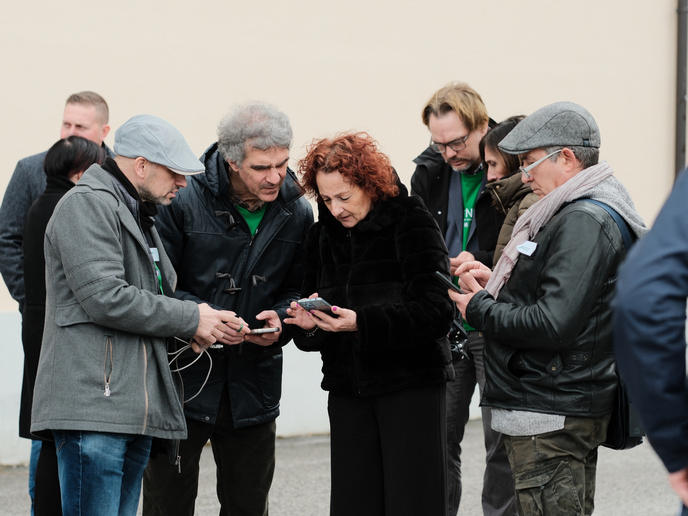
“The project built a digital ecosystem(opens in new window), the GREEN Engine, combining a mobile app, IoT sensors, AI-supported object detection, a mobility-tracking library, a database, thematic analyses and visualisation dashboards,” explains coordinator Jan Peters-Anders of the AIT Austrian Institute of Technology(opens in new window). Citizens and local partners were trained through knowledge exchange visits and the GREENGAGE ACADEMY(opens in new window), covering ethical scientific methods, data considerations (e.g. standards, collection and analysis, use capabilities) and new technology use. More than 1 000 residents in designated pilots in Bristol, Copenhagen, North Brabant Province, Turano and Gerace collected relevant data on cycling and walking patterns, air quality and living spaces including cultural heritage and waste.
Lessons learnt: local relevance, community engagement and trust
Clear use cases of local relevance strengthened community engagement and trust-building, all of which mattered more than technical sophistication alone. Observatories proved most effective at influencing policy when embedded in existing and trusted governance structures. For example, in Copenhagen’s rapidly developing urban areas of Amager and Ørestad, residents actively engaged in monitoring campaigns related to air quality, mobility, noise and public space use. Governance and stakeholder engagement were facilitated by Miljøpunkt Amager, a local climate and environmental organisation with a long-standing and trusted role in local initiatives. The Bristol citizen observatory was directly linked to the engagement process for the East Bristol Liveable Neighbourhood (EBLN) programme, which included under-represented groups, generating evidence specifically requested within an ongoing transport initiative. Areas without pre-existing digital literacy and civic networks required innovative engagement approaches. The Italian pilots in Turano and Gerace involved older communities. Door-to-door recruitment and assisted air-quality-data recording drove engagement. The observatories centred clean air, waste reuse and upcycling alongside cultural heritage as tourism assets and tools to combat depopulation, establishing local relevance. With trusted mayors involved from the outset, citizen data was displayed at municipal offices, generating direct dialogue between residents and local officials.
From local data to policy change
“In Bristol, workshops with schoolchildren and youth groups flagged safety concerns including poor lighting, unsafe kerbs and antisocial behaviour. These insights fed into the wider ongoing EBLN process and informed the council project team responsible for redesign,” adds project co-coordinator Anna Kozłowska of the AIT Austrian Institute of Technology. In the region of North Brabant, citizens cycled predetermined bike routes and added a subjective level-of-maintenance score in a dedicated local app or the GREENGAGE app. This subjective-data collection will be deployed periodically to inform prioritisation of bike path maintenance planning. In Gerace, citizens’ contributions collected through the GREENGAGE app informed municipal discussions on establishing a local centre or laboratory for upcycling and circular economy practices. The GREENGAGE project showed that citizen-generated data, when validated and embedded in local governance, can influence urban policy. Its GREENGAGE-based Citizen Observatory White Book for Public Administration(opens in new window) and GREENGAGE Citizen Observatories Methodological Framework(opens in new window) formalise the project’s lessons learnt. They offer European communities a flexible route to building their own local citizen observatories for greener, more inclusive urban governance.