Benchmarking fuel cell components


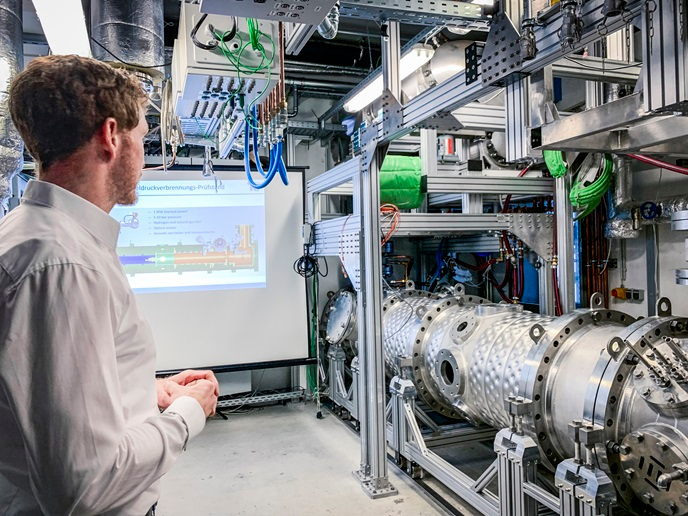
Nowadays, fuel cells can find a wide spectrum of powering applications, ranging from passenger vehicles and buildings to small size devices, such as notebooks. By being extremely efficient across a broad range of sizes, they display an increased potential for energy independence, extremely reliable energy provision and economic benefits. Depending on the application and the fuel cell type used, the design of a fuel cell system may vary a lot. Due to their high power density delivery and advantages of low weight and volume, Polymer Electrolyte Fuel Cells (PEFCs) are particularly suitable for transportation applications. These employ a solid polymer as an electrolyte and electrodes containing a catalyst and are normally fuelled by with pure hydrogen supplied from onboard reformers. For operation they use only hydrogen, oxygen from the air, and water without any requirements on corrosive fluids. The FUERO project conducted an extensive and detailed investigation of commercially available fuel cell components in order to define the most suitable ones for vehicle applications. Among these researchers tested five different PEFC stacks that constitute the heart of the fuel cell power systems, producing electricity in the form of DC current from chemical reactions. The selected stacks feature power outputs in the range of 1-6kW with three of them using hydrogen and two simulated reformat - a gas mixture of hydrogen and carbon compounds. Four air compressors were also tested including a side channel blower, a claw compressor, a rotary vane compressor and twin-screw compressor. They were found capable to adapt to various configurations of fuel cell systems concerning power and pressure level. Additionally, reformer catalysts with isooctane were also investigated to test their capability of producing hydrogen under different conditions. The components' test results are expected to contribute to a wider promotion of fuel cell technology in automotive industries.