



Analysing the time lag in air-sea CO2 fluxes

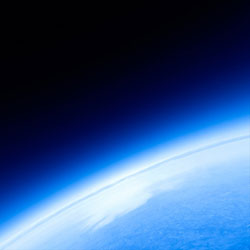
The oceans and forests are the Earth's primary carbon sinks. The mechanisms by which oceans absorb and redistribute carbon are not well understood. The NOCES project, led by the Laboratoire des Sciences du Climat et l'Environnement (LSCE) of the Commissariat à l'Énergie Atomique (CEA) in France sought to improve our knowledge of ocean-atmosphere exchange of carbon dioxide. During the project, LSCE employed advanced signal processing techniques to reveal lags in the flux of carbon dioxide (CO2) from the atmosphere to the sea. Specifically, Multi-channel Singular Spectrum Analysis (MSSA) was applied to simulated fluxes of CO2 between the atmosphere and ocean. The advantage of MSSA is its ability to resolve signals in both time and space for complex datasets. LSCE isolated strong time lags on the order of one and three years. Interpretation of these results was aided by corroboration with previous studies of ocean dynamics. The 1-year peak likely corresponds to the timescale for CO2 in the surface-ocean mixed layer to equilibrate with the atmosphere. Conversely, the 3-year signal arises from delays in lateral carbon advection in various regions of the ocean. LSCE also found that entrainment, nutrient anomalies as well as other physical, chemical and biological features can play an important role. LSCE and its NOCES partners plan additional studies to continue to improve our knowledge of these mechanisms and how they influence year-to-year variations in the oceans' ability to absorb carbon and thus regulate the global climate system.