



Improving access to higher-intensity magnetic fields

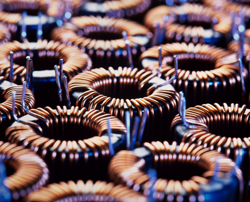
Research workers in materials science, superconductivity and other related technologies need access to very high magnetic fields. These fields help scientists to study, modify and control matter. By improving the availability of such tools, scientists will be able to make a much greater impact over a wide range of disciplines. At the moment, this facility is only available at a few specialised centres in Europe. The EU-funded project 'Design study of next-generation pulsed magnet-user facilities' (DeNUF) developed and tested new technologies to be incorporated in three facilities working to improve the operation of pulsed high-field magnets. The advances will be made available as a shared infrastructure resource, with project outcomes offering higher intensity field strengths with improved user conditions and better reliability. This joint design study created a delocalised European pulsed high-magnetic-field infrastructure, capable of competing with the pulsed magnetic-field activities in the United States. Activities included creating common software tools and data for making pulse-field coils, developing coil-monitoring equipment, studies on coil and conductor fatigue, and developing multi-coil systems. The results from this project aimed to enable researchers in Europe to access the highest magnetic fields. With improved research facilities, Europe can once again be a sector leader, opening up opportunities to develop new areas for research in physics and chemistry.