The challenge of dissolving implants

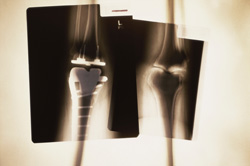
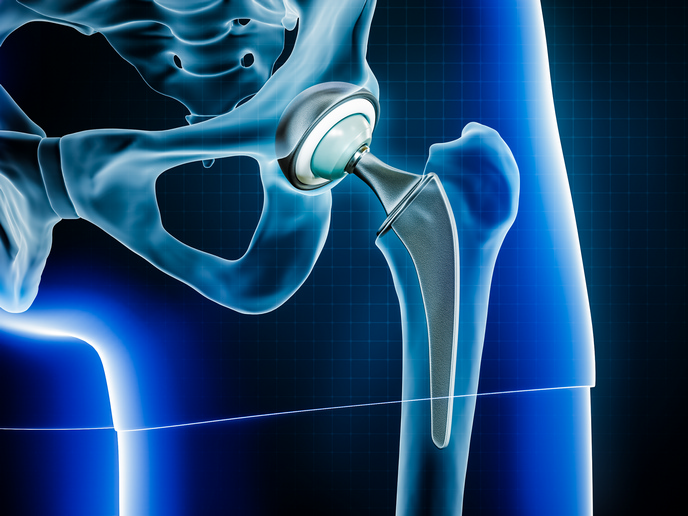
Medical implants such as fractured bone implants and facial bone implants were traditionally made of metal and had to be removed after the initial operation during a second one. Ambitious European scientists have aimed to develop new technology implants made with resorbable material (safe material slowly reabsorbed by the body and replaced with real tissue). Such a feat would facilitate the process and bring relief to thousands. The main challenge, however, lies in fine-tuning resorption so that the body can replace the material with new tissue at the correct rate. As healing in patients varies considerably, resorption must be tied to each patient's needs. The project 'External activation of resorbable materials' (Exact Resomat) worked on developing implants that become resorbable only when instructed to do so. To achieve this technology, the project team devised ways to isolate the implant, such as a bone plate, from body fluids. The premise was that when doctors decide that the implant isn't necessary anymore, they can activate the resorption process by dissolving the isolation layer using ultrasound or magnetic field stimulation. There were many insurmountable challenges involved in the project, such as finding the correct biocompatible material that could be perforated by ultrasound technology. While the project team considered other alternatives, the project could not achieve its objectives with current available knowledge and within the specified timeframe. Nonetheless, the idea remains very interesting in the medical community, hopefully inviting other EU initiatives to investigate the technology and continue where this one left off.