Turning waste into sustainable fertilisers

Europe’s food systems remain heavily dependent on mineral and fossil-based fertilisers derived from finite resources and energy-intensive production processes. At the same time, large quantities of nitrogen and phosphorus are lost through wastewater streams, contributing to pollution of rivers, soils and coastal ecosystems.
From waste to resource
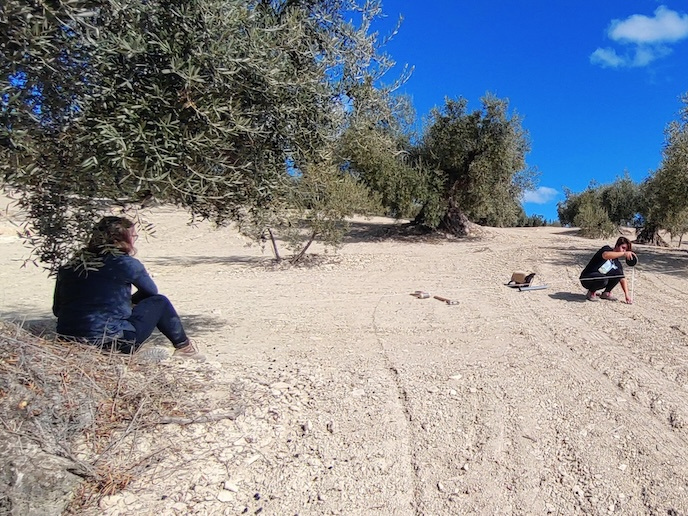
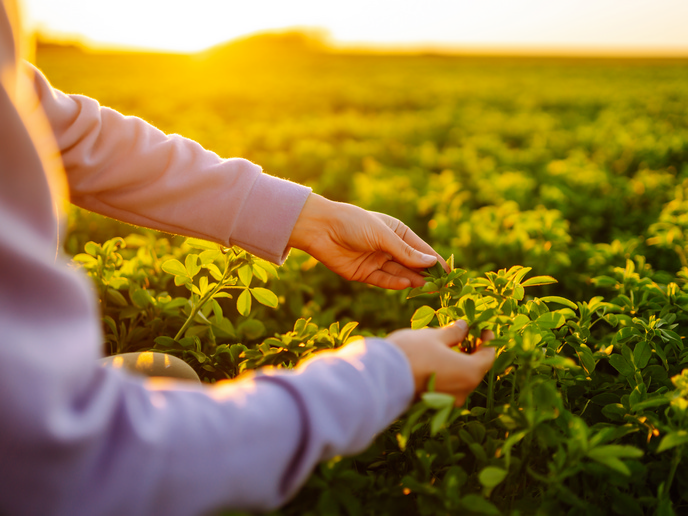
The EU-funded P2GreeN(opens in new window) project addresses this challenge by transforming human-derived waste streams into safe bio-based fertilisers. It mainly focuses on recovering nitrogen and phosphorus from human excreta and wastewater, and converting these streams into fertilisers suitable for agricultural production. “These raw materials have traditionally been treated purely as waste. P2GreeN utilises them to reduce dependence on imported fossil-based fertilisers,” explain Isabell Szallies and Stefan Karlowsky, two of the project coordinators. By collecting nutrients directly at source, the project enables more efficient recovery and recycling. This decentralised approach also strengthens the connection between cities and agricultural regions, supporting more resilient local food systems within a circular economy. Pilot regions across the Baltic Sea, Germany and Spain have demonstrated how circular nutrient flows can operate in practice. Additional follower regions in France, Greece, Hungary and Italy are exploring future implementation pathways.
Developing safe and effective fertilisers
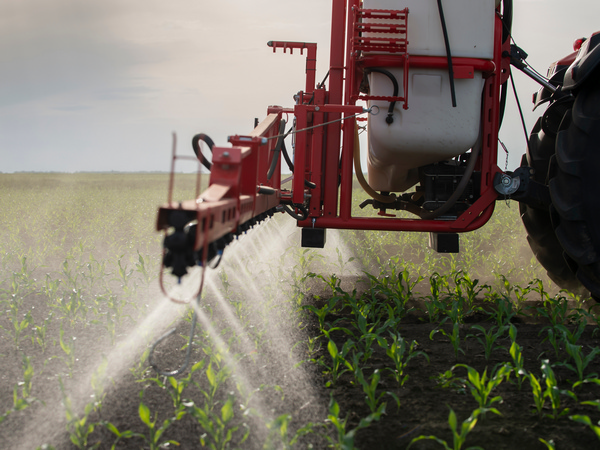
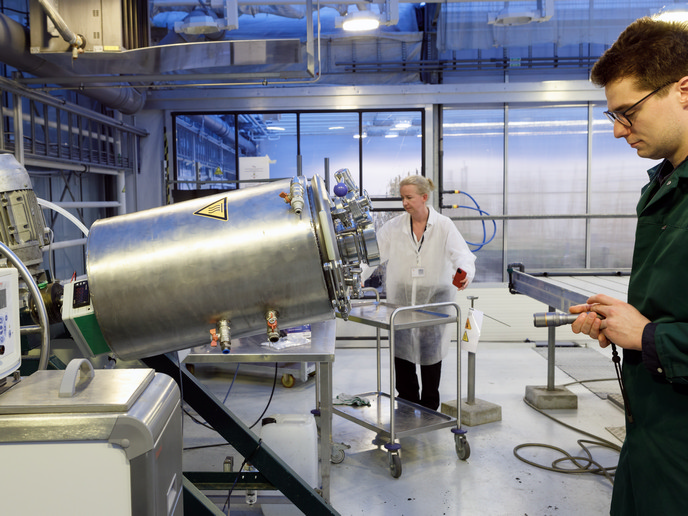
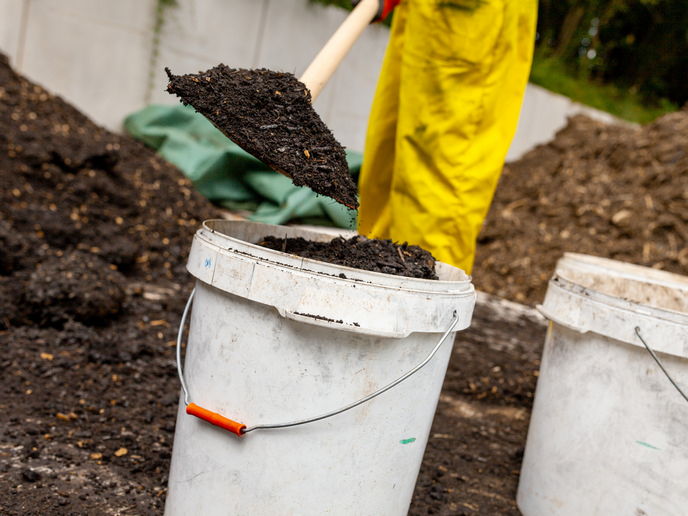
The project has developed several innovative fertiliser products based on recovered nutrients. These include liquid and pelletised urine-derived fertilisers as well as compost produced from treated faecal matter. To ensure safety and regulatory compliance, collected materials undergo multiple purification and treatment steps. For example, in the German pilot region, urine is processed through nitrification, filtration and evaporation to produce liquid fertiliser, while faecal material is converted into nutrient-rich compost through thermophilic sanitisation and controlled composting processes. In Sweden, stabilised and dried urine is transformed into fertiliser pellets. In field trials, P2GreeN fertilisers perform comparably to conventional mineral fertilisers in terms of yield. Urine-based products efficiently deliver nitrogen and other nutrients required for crop growth, while faecal compost provides particularly high phosphorus content for depleted soils. Life cycle assessments show that the climate impacts of the production and use of these fertilisers are generally lower than those of conventional alternatives, though they vary considerably depending on their carbon content. Nonetheless, significant environmental benefits(opens in new window) arise from lower emissions and reduced energy requirements in wastewater treatment associated with the removal of nutrients from urine, whilst faecal compost has a high carbon sequestration potential.
Supporting soil health
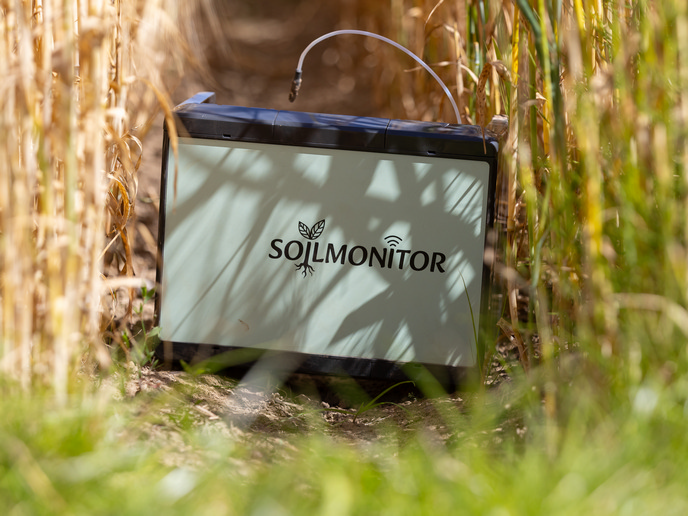
The P2GreeN project contributes to broader environmental objectives, including improved soil health, reduced pollution and carbon sequestration. Compost products increase soil carbon content and support long-term soil fertility. Additional innovations include the incorporation of plant-based biochar during composting, which helps retain nutrients and reduce losses to the environment. In Spain, reclaimed wastewater is combined with an advanced smart fertigation tool that measures nutrient content and precisely adjusts fertiliser application according to crop requirements. By preventing overfertilisation, this system reduces nitrate leaching and protects groundwater quality. A major focus of P2GreeN has been preparing the conditions for broader replication across Europe. More than eight feasibility studies have explored practical deployment scenarios. The project has also created a replication action platform designed to help policymakers and stakeholders identify suitable locations where nutrient-rich urban waste streams can connect with nearby agricultural land. “By transforming waste into valuable resources and reconnecting nutrient cycles between urban and rural areas, we have demonstrated how circular fertiliser systems can support a more sustainable and resilient European bioeconomy,” concludes Szallies.