New therapies for pneumococcal diseases

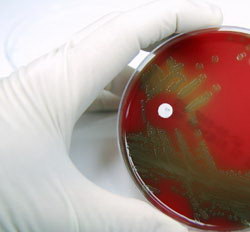
Streptococcus pneumoniae is a major cause of pneumonia, meningitis bacteraemia and otitis. Despite the existence of effective antibiotics, an increasing pneumoccocal MDR currently compromises treatment. Furthermore, even if the antibiotic kills the bacterium, damages due to the inflammation and acute toxaemia cannot be prevented. The pneumococcal toxin pneumolysin has a key role in these procedures by triggering the release of inflammatory mediators from host cells. The EU-funded project ‘New methods of treatment of antibiotic-resistant pneumococcal disease’ (Pneumopep) aimed at the discovery of new compounds for the establishment of innovative therapy strategies for pneumococcal diseases. The European scientists making up this consortium combined their complementary expertise towards the successful achievement of this objective. Pneumopep achieved its main aim providing a variety of novel target molecules and lead compounds for treatment of pneumococcal diseases. Two proteins were evaluated for the first time as targets for anti-pneumococcal therapy; they were pneumolysin and pneumococcal cell surface proteinases. In preliminary experiments, these proteins demonstrated promising behaviour as potential drug targets. Furthermore, several new compounds were evaluated for inhibition of the action of target proteins, with some of them showing promising features. Six new compounds were effective in pneumolysin inhibition in vivo, including peptides and small organic molecules. In addition, innovative and effective carriers of the potential drugs were tested. This project is only the beginning of a long-term fight against continuing and growing antibiotic resistance in the pneumococcus. The resources regarding tools and knowledge generated in Pneumopep will lay the ground for the development of new therapies.