Studying cereal crops

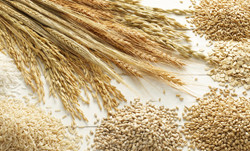
The EU-funded project PHYTORES is identifying different anatomical parts of Eurasian cereal crops. The focus is on phytoliths, the silica by-products of plant matter. A new process of micro-morphometry, or the study of shape on a microscopic level, has enhanced how phytoliths can be identified. The new method is of particular relevance to archaeologists. They are aiming to identify the non-dietary crops, such as straw and hay, used for fuel or construction in ancient times. In developing this methodology, scientists first gathered and extracted tissue samples of plants from three different continents. This was followed by microphotos of the plants' phytoliths and the use of a new software to measure them. Statistical analysis of the measurements can detect even minor differences in the size and shape of the phytoliths. Based on the data from the phytoliths, scientists were able to detect previously unseen differences in shape, size, and cellular composition. For example, they distinguished leaf type by the presence of saddle short cell phytoliths. Their next step was to test this method on phytoliths from a Neolithic site in Sudan. The use of this methodology turned out to be effective. The work revealed an unknown fact — wild grasses and cultivated cereals were used during the Neolithic era. This methodology has deepened our understanding of the economic importance of these non-dietary crops. The approach is the first step in standardising micro-morphometry. The findings of this study offer expanded opportunities for many other fields. Palaeoecology, taxonomy, and archaeobotany are among those that may be benefit from this methodology.