Crystalline rare earth metallopeptides

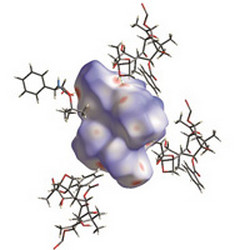
Scientists of the EU-funded project 'Peptide crystal engineering with lanthanide complexes' (CEREPEP) attempted to design lanthanide complexes that contain peptides through crystal engineering. Despite their lack of success, their endeavours provided unprecedented structural and functional insight into lanthanide complexes such as vitamin B12 coenzyme and taxanes. Taxanes are a group of anti-cancer drugs with poor solubility that include the widely used paclitaxel and docetaxel. As a result, they have to be administered intravenously using a combination of biologically and pharmacologically active surfactants and ethanol, with undesirable side-effects. CEREPEP activities helped elucidate the crystal structure of the anhydrous and hydrated forms of these drugsas well as the hydrogen bonding pattern; both offer new explanations for their biological and pharmacological property. Crystal structure data was unavailable and represent a significant discovery. Invaluable insight was obtained about the effect of solvates on the solubility of taxanes through the novel approach of crystal engineering. This could prove useful in optimising crystal forms of taxanes using less toxic solvates. Theobromine is an alkaloid found naturally in cocoa plants with therapeutic benefits such as cough suppression and vasodilation. Structures of cocrystals of theobromine showed surprising hydrogen patterns and will help to gather better understanding of the intermolecular interactions and the construction of crystalline materials. Through this project, transnational research collaboration was facilitated between academia and industry, resulting in the formation of a competitive network. The CEREPEP initiative has laid the groundwork for further investigation of crystal engineering to produce useful biologically active lanthanide and other rare earth metal complexes.