


More cooperation will make Europe's economy dynamic and competitive
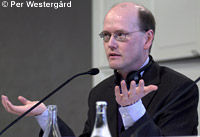
'Increased cooperation between universities and colleges, research institutes, as well as small companies and large concerns, is an essential factor in the efforts to make Europe the most dynamic and competitive economy in the world, said Swedish Minister for Education and Science, Thomas Östros, at a conference on cooperation between academia and industry in Karlskrona, Sweden on 17 April. The plan for the future could consist of three strategies, stated the current head of the EU's Research Council. Europe should invest more resources in basic research, increase cooperation between universities and small and medium sized enterprises and stimulate cooperation between academia and industry. Mr Östros warned that if too much emphasis is put on today's ambitions of higher economic growth, Europe's research policy could develop a very short term perspective. 'This is why it is of crucial importance that governments and parliaments recognise that their prime responsibility lies in funding basic, long term research. So here we have to find a balance,' said the Minister. Young people are the key to bridging the gap between academia and industry, said Mr Östros, as it is often those with a background in research studies and a PhD who apply research results within a business group. 'We must increase our efforts to make the step from university to entrepreneurship less dramatic,' said Mr Östros. 'One factor, which I believe promotes such entrepreneurship [in Sweden is that] teachers and researchers working at the higher education institutions have the right to their own inventions,' he continued, although he added that different ways in which universities can support the exploitation of inventions originating from their research must also be explored. Mr Östros was however keen to stress that universities must carry out their own reforms. 'We cannot create universities as though they were institutes for economic growth. Universities have to be free institutions where intellectual freedom is the fundamental idea,' he said. The relationship between government and academia must not be ignored, added the minister, who claimed to believe that 'government and parliament are academia's best friends'. Only the state can supply money for long term basic research without giving directions, he said.
Countries
Sweden