Genome obesity and biodiversity

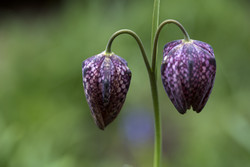
Genome size has ecological significance, which in turn can shape biodiversity. Research into the reasons why some genomes have ended up with an extra-large share of DNA could therefore shed light on characterisation of biodiversity and its consequences. The EU-funded GENOME OBESITY (Causes and consequences of mechanisms underlying genome size obesity) project has used next generation sequencing to investigate a plant - Fritillaria – with a genome a massive 15 times bigger than humans and 60 times that of rice! Project researchers looked at a virus, a pararetrovirus repeat (FriEPRV) that has become inserted into most Fritillaria chromosomes at the centromere. The very fact that FriEPRV is most often at the centromere suggests targeted insertion. Regulation of repeat insertion can be achieved by DNA methylation, an epigenetic control in flowering plants generally. Investigation found abundant methylation around the insertion sites suggesting that genome amplification is not a result of the breakdown of epigenetic control. GENOME OBESITY scientists looked for genetic elements of the methylation pathway and found that all genes were present. To compare, cone-bearing plants, also with large genomes as compared with flowering plants, are missing elements of the control pathway. Overall, results indicate that the large genome is down to an overly efficient methylation control pathway as opposed to a faulty one. This hypothesis is being tested in a follow-on project in collaboration with Royal Botanic Garden’s Kew, London. GENOME OBESITY results should improve European excellence in characterisation of variation and awareness of what factors shape plant diversity. This could impact policy making related to conservation of genetic resources. The information platform will also increase understanding of genomics for crop improvement and benefit agricultural companies.