


EU project takes major step towards understanding human diseases
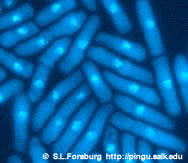
Scientists working on an EU project have announced their analysis of the genome of fission yeast (schizosaccharomyces pombe), which will lead to a better understanding of what genes control and how they may be involved in cancer and other human diseases. Some 50 of the yeast genes examined by the consortium, involving 13 partners from five EU Member States, were found to have significant similarities with genes involved in human diseases, including cystic fibrosis, hereditary deafness and non insulin dependent diabetes. Half were also found to be cancer related. Because yeast cells are similar to human cells, both containing their genome in a nucleus inside the cell, this work is leading to a better understanding of what each gene controls, and the part they play in these diseases. 'This type of research is yet another example for the strong link between scientific advancement and practical use for the citizen,' said Research Commissioner Philippe Busquin commenting on the findings. 'Unlike other genomics projects, Europe has taken the leading role in this research through networking of the best. That is precisely what I have been advocating since the Lisbon summit in spring 2000, where I proposed to create a European research area,' he said. The European Commission has contributed 6.9 million euro to this project, which had a total budget of 9.4 million euro. In 1996, when this project began under the Fourth Framework programme (FP4), it was one of the largest EU-funded projects. Val Wood of the UK's Wellcome Trust Sanger Institute, who worked on the project, highlighted the benefits that the pan-European team brought to the project by working together. 'Each step in our study of genomes brings new and surprising understanding of the common basis that underlies the way cells work. In this international collaboration, we have provided high quality sequence and precise analysis of the genes buried in the fission yeast genetic code, demonstrating the value of sharing genomic information. Through this shared effort, the genome of S.pombe is one of the best annotated of any non-bacterial cell,' said Ms Wood.