


Europe must overcome bankruptcy prejudice, says US Professor
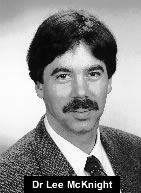
Europe must give bankrupted entrepreneurs a second chance and learn to accept the destructive as well as the creative effects of innovation, according to the keynote speaker at the Third European forum for innovative enterprises, Stockholm, Sweden on 8 April. 'Europe must learn that bankruptcy isn't that bad,' said Dr Lee McKnight, Associate Professor of international communications and a Director at the Fletcher School of law and diplomacy at Tufts University, USA. The USA was founded by entrepreneurial risk-takers, he said, some of whom may have been escaping domestic service or debts. In Europe, however, debt carries a greater stigma. New entrepreneurs must be given clear incentives to start businesses, and in case of failure, to try again. In an earlier round table discussion, Volkmar Strauch, State Secretary of the Berlin Senate of the Economy, also highlighted the issue. 'If you go bankrupt in the USA, it can be a good learning experience. However, in some European countries, such as Germany, a once bankrupt entrepreneur would have trouble finding future financial support,' he said. Dr McKnight explained that innovation is a destructive as well as a creative process - it destroys firms and creates new, more fluid industry and social structures. He said the concept of mobility, whereby entrepreneurs adapt to market downturns by innovating and moving from old to new areas of activity, had helped the US economy to remain strong. Dr McKnight also pointed to the increased vulnerability of people, businesses and nations following the 11 September terrorist attacks in the USA. 'Just because we live in a global village, does not mean our neighbours like us,' he explained. In spite of the current climate, however, entrepreneurs on both sides of the Atlantic who are willing to take the leap are helping to create new and better jobs and boost social capital. He called on Europe to encourage this process of creative destruction as 'in an era of uncertainty, mobile regions will help Europe to move forward.' The USA has learned a lot from studying European patterns of regional innovation, said Dr McKnight, who called on the European Community to build on Europe's advantages by reforming tax, bankruptcy and labour laws. He added that European cities should aim to foster a positive and creative environment for entrepreneurs through political leadership and the use of awards to raise the profile of entrepreneurship. He also called for a reduction in administrative obstacles and costs for start-ups because for new ideas, time equals money. Speaking on 9 April, Heinz Zourek, deputy director-general of the European Commission's Enterprise DG, also highlighted the risks inherent in innovation and scientific discovery. Research and development is risky by definition, he explained, as it involves looking for the unknown.