Targeting cancer metastases with nanoparticles


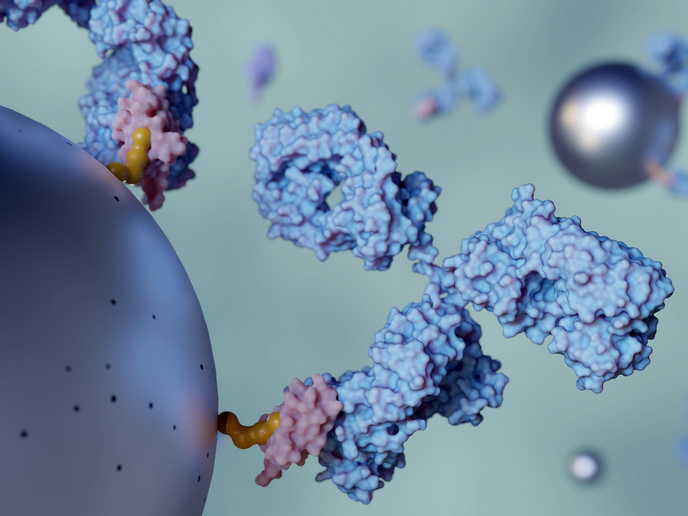
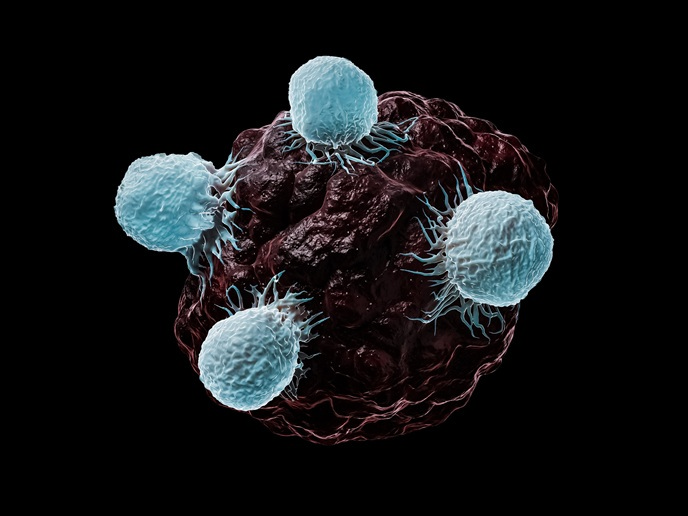
Recent developments in the field of medical nanotechnology enabled a targeting precision that was not possible previously in cancer treatment. Despite this great progress, there is a gap in the fundamental understanding of what structural parameters influence the targeting capacity of nanomaterials. The NANOTECHNOLOGYMETAST project aimed at elucidating the mechanism by which therapeutic nanomaterials can be designed to target and treat metastatic cancer. The main focus was on the parameters that enable nanoparticles to target metastatic lesions. The study involved development of the research tools for detecting nanoparticles in very small tissue samples as well as single cells. Using the mouse model of metastatic breast cancer, researchers demonstrated that 100 nm liposomes target triple-negative metastases after intravenous administration. The quantitative biodistribution analysis in vivo was accomplished using different diagnostics labels: europium, indocyanine green for whole-body imaging and gadolinium for magnetic resonance imaging (MRI). The accumulation of liposomes in metastases as well as primary tumours peaked at 24-hours post injection. Liposomes could be detected at the very early stages of metastatic progression. Importantly, the elevated levels of nanoparticles were detected even in the pre-metastatic niche in the lungs before metastases could be visualised by MRI or histologically. At the next stage of the project, researchers measured the potency of different drugs for metastasis treatment versus primary tumour. They observed that metastatic cells are more resistant to drugs than the cells of the primary tumour. Furthermore, metastases located in different tissues had different drug responses. In conclusion, the NANOTECHNOLOGYMETAST study successfully demonstrated that nanoparticles could efficiently target breast cancer metastases, making them promising modalities for diagnosis and treatment. The results of this successful research programme were disseminated in multiple ways through research papers, conferences, public lectures and press releases.