


New Internet protocol to boost European and global research networks
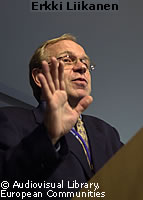
EU Enterprise and Information Society Commissioner, Erkki Liikanen, has described the launch of the first global IPv6 (Internet Protocol version 6) as a major boost to the development of the European Research Area. While the implications of IPv6 will stretch into all areas of society, the introduction of the protocol into research networks will enable researchers living and working in different countries to access to state of the art networking services in order to pursue their research. Speaking at the launch of IPv6 in Brussels on 16 January, Mr Liikanen said: 'The work done in validating IPv6 through large scale testbeds and the emergence of e-Infrastructures are fundamental to the deployment of the European Research Area.' IPv6 allows the development of a virtually unlimited number of Internet addresses, enough to assign an address to every grain of sand on all the world's beaches. The increase in the number of addresses is a crucial precondition for future developments of the Internet, including the proliferation of always-on connections and Internet-capable devices such as mobile phones, car navigation systems and home appliances. The new protocol also includes a number of other improvements to the previous protocol (IPv4) that will make the Internet faster, more flexible and secure, as well as facilitate the implementation of new services. Mr Liikanen underlined the potential for a better integration of new Internet services into homes, businesses and even vehicles: 'This next generation of Internet technology provides a platform to bring new and exciting services to business and citizens across the European Union. IPv6 [...] is a crucial component of our goals for eEurope and the faster roll out of broadband networks. With IPv6 we can continue to build on Europe's competitive strengths and explore the better integration of the Internet into a host of new devices and services, including 3rd generation mobile services.' The European Commission has been closely involved in the Internet Protocol initiative, fostering cooperation between research and education networks around the world with a view to establishing the world's first all IPv6 research system. Indeed, GÉANT, the European Union's high speed research network, deployed IPv6 in stages between April and October in 2003 to Europe's research and education community. GÉANT reaches over 3,500 European research and education institutions through its connections to national and regional networks, and provides the highest capacity of any research network of its kind. The network has the dual role of providing an infrastructure to support the advanced communication needs of the scientific community, while providing an infrastructure for research on state-of-the-art communication technologies. Given the international context of research, however, it is felt that the global deployment of e-infrastructures is a necessary next step, and has enormous potential to promote strong international cooperation.