


FP6 project looks to improve elderly health through food
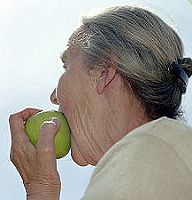
When it comes to the ageing population, Europe is the world's most affected region, with a projection of one in three Europeans being over 60 by the middle of this century. With older adults comprising the fastest growing portion of the world's population and many of them needing to live in nursing homes, this increases the economic burden on the working population. This burden, however, would be reduced if people could stay healthy and active in later life. One way to improve the likelihood of this happening is by ensuring adequate nutrition. The European Commission is therefore providing 1.01 million euro over three years to a Sixth Framework Programme (FP6) project, NUTRI-SENEX, aimed at coordinating the results of EU research programmes on better nutrition for the elderly. NUTRI-SENEX, which stands for improving the quality of life of elderly people by coordinating research into malnutrition in the elderly, will produce recommendations, survey health legislation and develop guidelines for functional and nutritionally-balanced food for the elderly. 'The overall objective will be to increase the standard of living for the frail elderly in the medium- to long-term by helping to develop more healthy foods and by spreading best practice,' explain the 32 project partners who come from 11 EU countries. The project also aims to 'reduce public health costs through the prevention of nutrition-related diseases. With age, people's sense of taste and smell starts declining. Taste and smell dysfunction in the elderly often leads to a loss of appetite, followed in turn by a weakening of nutritional status and immunity, a loss of weight and increased frailty. As the project partners explain, this is especially a problem in care homes where all residents are served the same meal regardless of personal or cultural preferences. A solution would be to create special food for the elderly with increased flavour and fortified with nutrients. In one study, nursing home residents who were given flavour-enhanced meals became hungrier and even put on weight. One aim of NUTRI-SENEX is to examine the 'one diet fits all' concept in relation to the nutritional needs of older people. Does it fit both the nutritional needs and health concerns of the elderly? 'There is evidence that good nutrition promotes vitality and independence whereas poor nutrition can prolong recovery from illness, increase the costs and incidence of institutionalisation, and lead to a poorer quality of life,' explain the partners. 'Good nutrition is ageless and the message to older people must be that the quality of their nutrition is essential to their quality of life. Whilst the evidence of the value of balanced nutrition is clear, the nutritional status of many older individuals lacks that balance, and the problem is often complicated by a fear of foods and over-emphasis on single nutrient issues.' The project will look at the relative benefits of cardiovascular risk reduction with dietary restrictions versus the potential risks to the nutritional well-being of the elderly brought about by nutrient dense foods. The Commission is already funding a number of projects in this area. NUTRI-SENEX is different in that it is less research-based and deals mainly with disseminating the research results of other projects and implementing strategies.