


Commission demands explanation for unauthorised imports of GM maize
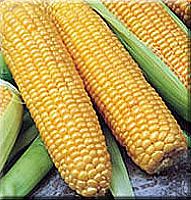
Imports of BT10, a form of genetically modified (GM) maize made by Swiss biotechnology company Syngenta, have been found in some European countries despite the fact that BT10 is unauthorised within the EU. The European Commission is now requesting in-depth information from Syngenta and the US authorities on how up to ten kilos of BT10 seeds may have been exported inadvertently as BT11 for research purposes to France and Spain. BT11 was approved by the EU in 1998 for use in industrial processing, mainly for animal feed. BT10, however, contains a gene making it resistant to an important group of antibiotics, which BT11 does not have, and has still to win approval from the EU. Although all the unauthorised material has been destroyed, the Commission is concerned that an estimated 1,000 tonnes of BT10 food and feed products may have entered the EU through the BT11 export channels since 2001. 'The European Commission deplores the fact that a GMO which has not been authorised through the EU's comprehensive legislative framework for GMOs, nor by any other country, has been imported into the EU, and we are writing to the US authorities asking them to guarantee, by taking the appropriate measures, that present and future exports of maize to the EU do not contain GMOs which are not authorised for the EU market, including Bt10,' said EU Health and Consumer Protection Commissioner Markos Kyprianou. 'This case again shows the importance of the European Union's comprehensive framework for traceability and labelling of GMOs.' Syngenta admitted last month that it had accidentally sold to the US genetically modified maize that had not been approved by US authorities. It has not been granted authorisation due to the fact that the essential protein of its BT10 maize variety is identical to its BT11 line. The Commission has asked the US to supply it with a full risk assessment of BT10 and the quantities it believes have been exported to the EU. The Commission has also asked Syngenta to provide full details of the molecular characterisation of Bt10 and its distinction from Bt11, as well as the specific detection method and adequate reference materials used to trace Bt10. Furthermore, Syngenta has been requested to confirm that all Bt10 plantings and seed stocks in the US have been destroyed or isolated for further destruction. 'In order to avoid any adverse effect on human and animal health or the environment of such an accidental release, the Commission has asked Member States to carry out appropriate control measures to stop Bt10 entering their territory. Member States should also notify the state of play regarding past or current national experimental releases of Bt11, and implement any necessary monitoring and surveillance measures in the surrounding areas where these releases took place,' concluded EU Environment Commissioner Stavros Dimas.
Countries
Spain, France