


EU Structural Funds are key to promoting EU R&D, says Hübner
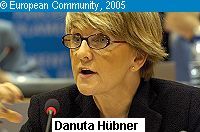
Between 2000 and 2006, some 13 billion euro, financed through the Structural Funds, will be awarded to research infrastructure and networks, innovative business start-ups and the modernisation of small and medium-sized enterprises (SMEs). The Structural Funds are therefore playing a substantial role in promoting research and innovation in the EU, says Danuta Hübner, EU Commissioner for Regional Policy. A role which will increase with the expected shift towards a more knowledge-based and innovative economy by the Structural Fund programmes. 'The EU's structural funds finance investments in research infrastructure and networks in regions where the potential for world-class research is there to be developed, while strengthening innovative capacity and technology transfer throughout the Union,' said Ms Hübner, explaining that the EU's regional policy is increasingly focused on the EU's goal of greater competitiveness and dynamism. In the EU, research and high tech activities are highly concentrated in a few core regions, with half of public and private research expenditure going to just 30 regions out of 254. Disparities between regions in business research expenditure are even wider. Average business expenditure on research is 1.7 per cent of GDP in Germany, 2.2 per cent in Finland and 2.7 per cent in Sweden, but less than 0.2 per cent in all regions of Portugal and Greece, except Lisbo, Attika and Pelopponisos. To help correct these discrepancies, the EU is investing 13 billion euro - some six per cent of the EU Structural Funds - in research and innovation over six years. As Ms Hübner explained, some of this funding goes to research infrastructure in regions where the potential to undertake world-class research is there to be developed, while the rest goes towards strengthening innovative capacity so as to spread the benefits of research more widely. On top of the 13 billion euro spent directly on research infrastructure and innovation, investments in physical and information and communication technology (ICT) infrastructure and human capital help to promote technology transfer to all regions. Spain, Germany and Italy are the three Member States that allocate the highest proportion of structural funding to research and innovation. The amount is equally split between research infrastructure (such as innovation centres, and technology parks); innovative projects (information technologies, technology transfer, start-ups and applied research projects); and environment for innovation (funding for SMEs). The Commission, said Ms Hübner, is now proposing to make 'improving knowledge and innovation for growth' a major theme in the forthcoming Community Strategic Guidelines, which will provide orientations for EU-funded programmes in the period 2007-2013. Increasing and improving investment in research and technical development and facilitating innovation will fall under this heading, along with other relevant guidelines on promoting the information society for all and improving access to finance, concluded Ms Hübner.