


Remaining consortia table joint bid for Galileo concession as ITRE committee approves budget
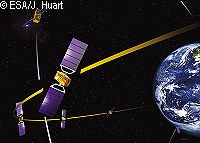
The two remaining private consortia bidding for the concession to lead the deployment and operational phases of Europe's satellite navigation system, Galileo, have submitted a joint proposal to the Galileo Joint Undertaking (GJU). The competing consortia - Eurely and iNavSat -tabled the joint bid on 20 June, after the GJU announced that following its latest evaluation of their separate proposals it 'could not select a preferred bidder as the two bids were too close to separate, considering their quality and complementary options.' According to a statement on behalf of both Eurely and iNavSat: '[The] consortia believe that the sole way to ensure a 'best value for money' approach for the public sector is to merge their respective resources and experience and to combine their complementary commercial approaches to Galileo implementation.' The two new partners argue that their merged bid will significantly reduce the contribution of European taxpayers to the Galileo project, and maintain the necessary momentum to deliver the project on time. 'Both consortia are expecting that this joint proposal will allow the GJU to effectively approve their merger, with a view towards entering into the next phase,' the statement continues. 'Eurely and iNavSat are confident that the synergies resulting from the common offer will be recognised as the best solution for Europe and its citizens.' Meanwhile, on 22 June the Parliament's committee on industry, research and energy (ITRE) unanimously adopted a report supporting the Commission's plans to provide 1 billion euro between 2007 and 2013 to fund the deployment and operational phases of the Galileo programme. However, MEPs stressed that the 1 billion euro figure is indicative, and subject to the final decision on the EU's financial perspectives for the same period. Once the financial perspectives have been agreed, they say, the Commission must then present a proposal adjusting the funding for the programme accordingly. Furthermore, in light of the potential profitability of Galileo, the committee adopted an amendment to the report calling for a profit sharing mechanism to be established to enable the Community contribution to be repaid. MEPs also want ownership of the intellectual property rights and licenses to remain with the Galileo Supervisory Authority, which represents the public sector partners in the project. However, revenues generated through the exploitation of these rights could form the income of the private concession holder, they conclude.