


EU sets out strategy to improve pesticide use
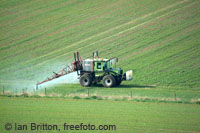
The European Commission has adopted a Thematic Strategy on Pesticides which aims to reduce the impacts of pesticides on human health and the environment by improving the way they are used across the EU. Although pesticides are already regulated through existing legislation and policies, pesticide use in the EU is not going down and, worryingly, 5 per cent of food and feed samples still contain levels of pesticide residues which exceed legal limits. Water companies are also concerned at the high levels of pesticide found in rivers, particularly in lowland areas. Long term exposure to pesticides can result in a range of health problems, including cancers, birth defects and damage to the nervous and immune systems. Misuse of pesticides can also have severe impacts on the environment, contaminating soil, air and water and leading ultimately to biodiversity loss. 'Ensuring that the use of pesticides does not endanger public health or the environment is a fundamental obligation for the EU,' commented Environment Commissioner Stavros Dimas. 'We want to ensure that citizens today and in the future do not have their health endangered by the use of pesticides, and can benefit from a safe, clean and rich environment.' According to the Commission, the new Strategy will stimulate research into the development of more effective and safer substances and crop protection services, and thereby create opportunities for innovative companies developing chemical and non-chemical plant protection products. The strategy will focus on the use phase of the pesticide life-cycle, which is currently not addressed in existing legislation. The use phase covers all activities carried out by end users, including storage on the farm, maintenance of application equipment, protection of workers and the application itself. Member States are asked to draw up National Action Plans setting out how they will reduce hazards, risks and dependence on chemical control for plant protection. A training system of all professional pesticide users will be established, while existing pesticide application equipment will have to be inspected and new application equipment will be certified. Furthermore, the Strategy will promote the use of alternative plant protection methods with a lower impact on health and the environment, and encourage a switch to more environmentally friendly farming practices. The European Crop Protection Association, which represents the crop protection industry, welcomed the Strategy, saying it encouraged measures to further reduce potential risks associated with the use of plant protection products. However, the Strategy was met with scepticism from environmental and health groups. They criticised the lack of enforceable targets and deadlines for reducing farmers' dependency on pesticides. The Strategy on Pesticides is one of seven thematic strategies that the European Commission is working on as part of the EU's Environmental Action Programme.