


Number of UK animal tests hits 13-year high
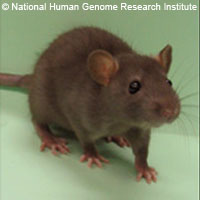
The number of scientific procedures carried out on laboratory animals in the UK increased by 1.4 per cent to 2.9 million in 2005, according to new statistics published by the country's Home Office. The overall figure is the highest since 1992, but the rise is explained by the increase in the use of genetically modified (GM) animals, says the UK government. GM animals accounted for nearly one million procedures, but two-thirds of these involved breeding GM offspring for use in experiments later. The vast majority of animals used altogether were mice, rats and other rodents (84 per cent), while fish and birds accounted for eight per cent and four per cent respectively. The use of dogs, cats, horses and non-human primates accounted collectively for less than one per cent of the total, but primate use was up by 11 per cent. A total of 3,120 non-human primates were used in 2005 for 4,650 procedures. This represents a 12 per cent increase in animals and an 11 per cent increase in procedures. The increase was 'mainly due to using macaques for pharmaceutical safety and efficacy testing', according to the Home Office. The British Union for the Abolition of Vivisection (BUAV) has expressed its dismay at the statistics: 'It's ironic that the reason for this increase was for drug safety testing, in a year in which the Northwick Park drug trial disaster exposed just how ineffective the use of primates in this way really is,' reads a statement. 'This realisation, combined with growing public and scientific recognition of how primates suffer in labs, is leading to increasing pressure for a complete ban on their use. Over 150 MPs [Members of Parliament] have signed a parliamentary petition calling for a complete ban on the use of primates in UK and EU laboratories.' For its part, the UK government points to an overall decrease in the number of animal experiments over the last 30 years, despite an increase of seven per cent since 2000. The number of toxicology tests has also decreased significantly over the last 10 years - they accounted for 14 per cent of all procedures in 2005, compared to 25 per cent in 1995. Non-toxicological procedures accounted for around 86 per cent of procedures started in 2005. Principal areas of research were immunological studies, pharmaceutical research and development, anatomy and cancer research. Genetically modified animals were used in 957,000 procedures, representing 33 per cent of all procedures for 2005. Some 96 per cent of these experiments used GM rodents. The BUAV argues that the increase in the creation and use of GM animals is disturbing. 'GM animals may be the 'latest thing' but they remain animals, not humans, no matter how much we tinker with their genes. They're very far from the magic solution to the problems of finding human cures from non-human animals and we hope scientists will start to recognise that soon,' reads a statement. Scientists argue that GM animals lead largely normal lives. John Martin, director of the centre for vascular biology and medicine at University College London told the Guardian newspaper that less than five per cent of GM animals show any difference in their appearance or life expectancy compared with their unmodified counterparts. Former chief inspector of the Home Office body that inspects animal research labs, John Richmond, also told the Guardian that 'The majority of GM animals are indistinguishable from normal,' and that 'It's exceptional to see GM animals with overt welfare problems.' The Home Office advises that new molecular biology techniques are opening up new areas of research that will lead to an increase in the use of genetically modified animals. 'In addition, new regulatory proposals set out in the European Union Chemicals Strategy White Paper [REACH] will, if agreed and implemented, also lead to increased use of animals for human health and safety purposes,' the Home Office warns. The European Commission is aware that REACH is likely to lead to more animal experiments, and has pledged to scrutinise all proposals for animal testing in order to limit it to the absolute minimum. REACH also makes datasharing on animal test results compulsory and prescribes the use of alternative methods wherever possible.
Countries
United Kingdom