


More pooling needed to enhance performance of Europe's research fleet, finds report
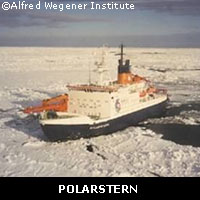
Europe's marine research fleet is performing excellently, and the equipment available is more extensive than anywhere else in the world. But increased investment, particularly in regional vessels, is needed, as well as further cooperation between national authorities in order to ensure that the existing fleet is used more efficiently. The European Commission must also incorporate funding into the next research framework programmes for this important scientific tool. These are some of the main findings and recommendations of a report published by the Marine Board of the European Science Foundation (ESF). For more than a century, ships provided the only means to access the sea surface, water and the sea floor for scientific research. The development of satellites and floats changed this exclusive access, but research vessels and associated equipment are nevertheless still indispensable in providing the huge sets of data necessary to develop numerical models for climate evolution. Research vessels are also indispensable for sampling the sea floor and servicing seabed observatories, which will play a key role in marine sciences in the near future. According to the report 'European ocean research fleets - towards a common strategy and enhanced use', Europe boasts a total of 46 marine research vessels. These include 11 which are classed as 'global' (operating on a multi-ocean scale), 15 'ocean', and 20 'regional'. While the fleet compares favourably to that of US, the report identifies two areas which could have implications in the long-term. The first is that only the large countries such as France, Germany, Italy, Spain and the UK run 'global' class vessels; this poses the question as to how scientists from smaller countries can have access to blue ocean research. The second problem is the age of many of the vessels, especially regionally-classed vessels. The report estimates that while the number of 'global' vessels will stay at 10 until 2010, 'ocean' vessels will drop from 15 to 12 in the same period. The most rapidly ageing vessels though are those in the regional fleets, the average age of which is 19 years. This figure already exceeds the nominal average age of 15 years by 30% and clearly raises the need for further funding to build new regional research vessels, argue the authors of the report. The report finds the equipment deployed on these research vessels to be 'clearly state-of-the-art', 'performing excellently', and 'more extensive than elsewhere in the world'. However, the potential for its enhanced use in Europe remains untapped, it argues. One problem is that although many of the large instruments can be easily deployed onto other vessels, most of these exchangeable instruments are owned by only a limited number of countries. No formal system or mechanism is in place for lending or leasing this equipment between European vessels, except for the members of the Ocean Facilities Exchange Group, a bartering system between six European institutes. In order to enhance the use of this pool, the report calls for the establishment of more bartering systems, joint programmes and a sharing of investment and running costs between countries. Other issues which need to be considered are those linked to interoperability; technical support; annual programming; cooperation outside Europe; insurance; and transport and customs. In addition to the role of national authorities in funding and facilitating cooperation, the report looks to the European Commission and what it can do to improve the efficiency of the current and further research fleet. One recommendation is that the Commission should incorporate funding for the marine research fleet, equipment and related interoperability issues into the next research framework programmes. The report estimates that the budget required would be small but would help to foster cost effective integration. The report also recommends including research vessels in the road map of the European Strategy Forum for Research Infrastructures (ESFRI), arguing that this channel would give access to Article 185 funding.