


There's more to a sunflower than oil, concludes EU project
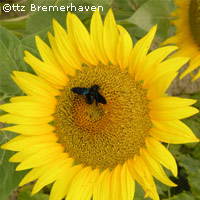
An EU project has found new uses for the 95% of every sunflower discarded after the production of oil. With pressure on the industry mounting due to increased production of palm and soybean oil outside of Europe, these new applications could offer an alternative source of income. More than 450,000 European farmers in 21 countries are cultivating sunflowers on more than 255,000 hectares. Many of the companies involved in the cultivation and processing are small or medium-sized enterprises (SMEs), which are particularly vulnerable to increased competition from abroad. The 12 partners from five EU Member States involved in the HELICAS project found new uses for sunflower biomass in cosmetics, foodstuff and animal feed. The team also found ways to produce new, more flavoursome sunflower oil. The project was funded under the SME strand of the EU's Sixth Framework Programme (FP6). 'The petals, stalks and leaves of the plants contain numerous valuable components that can be extracted and used in cosmetics, food or animal feed. In addition, that which is left over from the oil pressing process, the sunflower seed meal, can be used as an ingredient in food. It contains valuable proteins, carbohydrates and additional bioactive substances with nutritionally beneficial qualities,' said project coordinator Thomas Dietrich from ttz Bremerhaven in Germany. The team grew different types of sunflowers in four different countries. The idea was to investigate several varieties, and not exclusively those used for oil production. They found that extracts from the stalks can be used in cosmetics as they have attractive skin-smoothing and healing properties. Given the increasing interest in products with ingredients from nature, market potential is easy to envisage. ttz Bremerhaven also produced baking products and fish feed from sunflower meal. These results, together with new knowledge on cultivation, yields and processing will now be used Europe-wide. 'We have attained our goal, namely of developing innovative strategies for the use of sunflower biomass,' said Dr Dietrich.
Countries
Germany