


EU study: biomass burning major source of pollution in winter
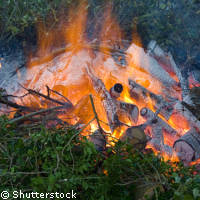
Over half of the carbon pollution produced during the European winter comes from burning biomass, according to new research from the EU-funded CARBOSOL ('Present and retrospective state of organic versus inorganic aerosol over Europe: implications for climate') project. Writing in the Journal of Geophysical Research, the project partners reveal that between 50% and 70% of carbon pollution in winter comes from sources such as wood fires in homes and buildings and the burning of agricultural and garden waste. Currently, efforts to reduce pollution tend to focus on fossil fuels. However, these new results suggest that pollution could be significantly reduced if these other sources of emissions were addressed by a combination of technological developments and legal restrictions. Many countries already ban the burning of agricultural and garden waste, for example. Reducing pollution from biomass burning will also bring about health benefits; epidemiological studies have shown that emissions from biomass burning have similar impacts on people's health to emissions from fossil fuels. These impacts include breathing difficulties and lung cancer. The goal of the CARBOSOL project was to calculate the contribution of different sources of carbonaceous aerosols in the air in Europe. Samples were taken from a number of sites distributed across Europe. The scientists used chemical tracers to determine the source of pollution. The sugar levoglucosan is produced when cellulose is burnt, and so it enabled the scientists to identify emissions resulting from burning biomass. Another indicator of biomass burning is the radioactive carbon 14 isotope. 14C breaks down relatively fast, and so is not found in emissions from fossil fuels. The latest results confirm earlier, more localised studies. For example, a 2004 study revealed that at least 40% of the carbon pollution in the centre of Zurich, Switzerland, was due to biomass burning. The CARBOSOL project ran from 2001 to 2005. It received €1,299,965 in funding from the Fifth Framework Programme's 'Energy, environment and sustainable development' thematic programme.
Countries
Austria, Germany, France, Hungary, Norway, Portugal