Simulating the outcome of eye surgery


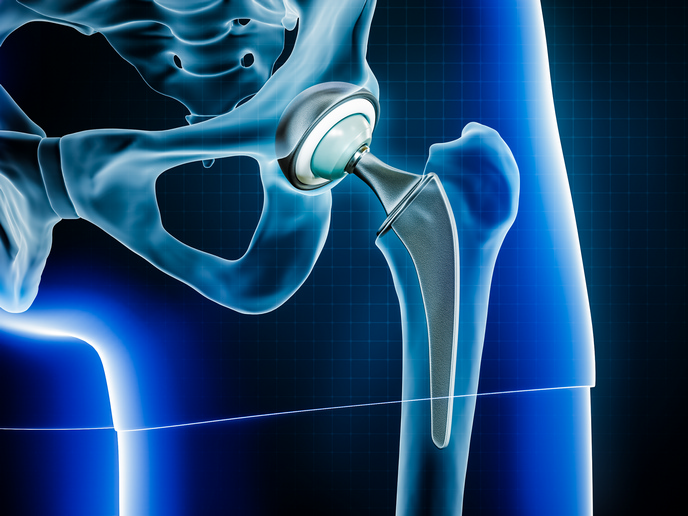
People over the age of 45 develop long sightedness, losing the ability to focus on nearby objects. Later in life, nearly half of the population will suffer from clouding of the eye lens, a condition known as cataracts(opens in new window). To treat cataracts, millions of patients in Europe have their eye lens replaced every year. However, despite the plethora of available intraocular lenses, the final choice is based on general indications rather than on the needs of each individual patient.
A visual simulator to predict surgery outcome
The EU-funded BeVision project aimed to improve the visual outcome of cataract or refractive surgery for every patient, through a novel eye-testing technology. “Our goal was to offer patients the possibility to select the best optical solution for their needs and experience beforehand the visual outcome of lens replacement,” explains project coordinator and CEO of Voptica, Pablo Artal. Partners developed the Voptica adaptive optics visual VAO(opens in new window) simulator, the first device that combines advanced optics to offer an objective characterisation of the eyes of patients. It measures the eye’s aberrations and can simulate different optical solutions to correct each patient’s eye imperfections. In addition, it can measure visual quality, visual acuity and contrast sensitivity with unprecedented precision. VAO incorporates a wavefront sensor to measure the optical properties of the eye, and a corrector in the form of a liquid crystal spatial light modulator to create the different types of lenses. As a result, patients can see different pictures through a variety of virtual lenses at the same time as their vision is being evaluated. The vision experience of the patient can be further personalised by changing the visual conditions such as distance or darkness, to reflect different everyday situations. Importantly, it reduces the time spent for visual evaluations by nearly 40 %.
VAO performance and advantages
Currently, to illustrate the different effects of intraocular lenses, ophthalmologists show pictures to patients. This, however, does not take into consideration the individual patient eye or neural responses. Artal explains: “The uniqueness of VAO is that it offers a personalised visual experience and can help customise vision treatment, bringing us a step closer to personalised ophthalmology.” VAO instruments are currently available in leading hospitals and universities all over the world. Thousands of patients around the world have already used the VAO instrument for evaluating their vision and experiencing different solutions. “The BeVision project was instrumental in moving our technology forward and undertaking the necessary technical modifications for optimal device performance,” emphasises Artal. Alongside instrument validation, partners developed a completely new type of intraocular lenses (known as ArtIOLs), specially designed for VAO, which are expected to offer improved vision at different distances. Future plans include the development of a binocular VAO device where both eyes can be tested simultaneously. Partners also envisage a portable VAO version that will help to expand the technology further.