Blade-free metal recycling delivers impressive results

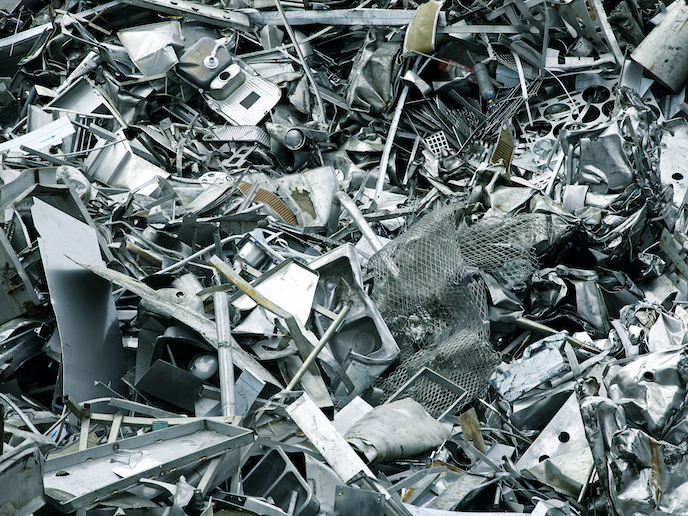
Despite increasing demand, metal recycling technology has largely remained unchanged. Material is ground up with large mills or shears, separated manually, or by magnets, and then given to foundries and steel mills to reuse. Recycling plants typically need to shut down every 8 hours to sharpen the blades which need to be entirely replaced every 70-80 hours on average. New rules(opens in new window) calling for the recycling of 95 % of scrapped cars have placed even more pressure on the sector. The added wear and tear to blades has driven up costs. “Everything is still based on this existing traditional grinding technology,” explains MRP(opens in new window) (website in Italian) project coordinator Francesca Guidetti, head of marketing development at Guidetti Recycling Systems(opens in new window), Italy. “Not all material can be recycled, and costs are going up. This is a problem because it makes it less convenient to recycle metals.”
Durable, efficient recycling
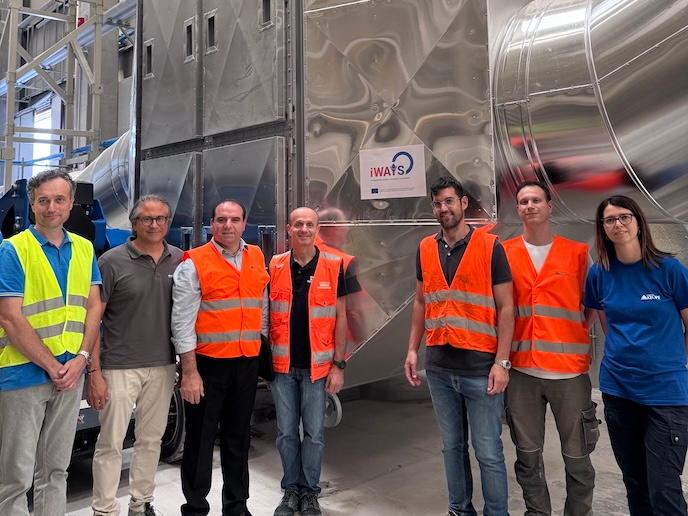
To address this, the MRP project sought to trial new recycling technology, based on hammers rather than blades. A key benefit of this technology, says Guidetti, is that it allows recyclers to recover almost 100 % of metal in waste, while using less energy and incurring lower maintenance costs. The project developed two prototypes. These use centrifuges equipped with high-resistance hammers, housed in towers, that break up the metals using the power of collision rather than relying on cutting it up. A pilot plant was based at the company’s headquarters, while another was built at a recycling plant. “The prototype at our headquarters is a four-storey tower,” adds Guidetti. “The centrifugal drums use gravity to move the material around. This significantly reduces wear and tear and requires less energy.” After this phase, in which material is essentially battered into smithereens, metallic particles are separated. An automatic system extracts certain metallic components, such as aluminium and copper, along the way. “Any material that remains passes into a final turbo mill,” says Guidetti. “This mill separates any remaining metal from the rest of the waste – plastic, glass, wood, paper, etc.” The plant at the headquarters was open for inspection by prospective customers, who could see for themselves how the technology works. The prototype built at a recycling plant was used continuously, to test its validity in real industrial conditions.
Achieving the circular economy
These pilot plants were able to demonstrate their effectiveness in separating and recycling aluminium, copper and other components from a range of materials, including electronic waste, cars, electric motors and refrigerators. This helped to underline the efficacy of this new technology, as well as its ability to deliver affordable high-performance recycling, together with reduced energy consumption. “The fully automated system involves only two operators,” notes Guidetti. “It delivers a 99 % recycling rate, reduces wear and tear on machinery, and requires much less maintenance.” Recycling businesses therefore stand to benefit through production line efficiencies and reduced energy costs. The innovation is a welcome boost for metal recyclers, who will play a critical role in Europe’s transition towards the circular economy. “Industry feedback has been great,” she adds. “We have already made one sale and are hopeful of more before the end of the year.” The next steps include organising further visits for prospective customers, to show them how the technology works in practice and what the key benefits are.