How important was ‘desert power’ in human history?


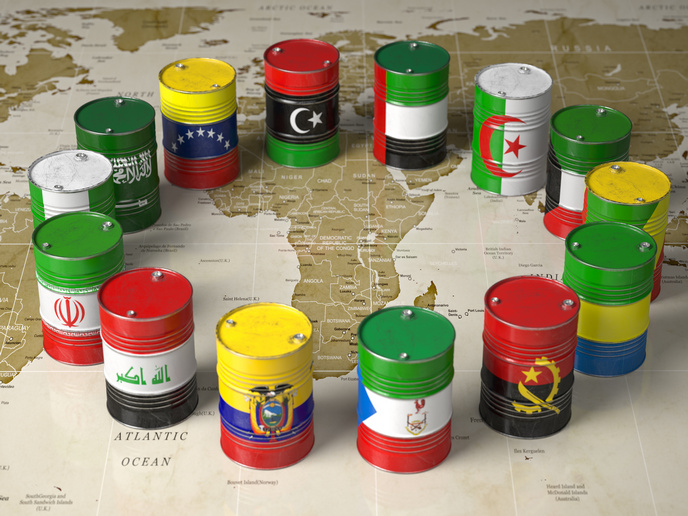
In fact, control of deserts was critical throughout history for two reasons, remarks Redon: as areas rich in natural resources, and as gateways between civilisations. “But you need to know how to cross them. You need to know how to survive in them,” she says. In Dune’s futuristic universe, spacefaring powers are fighting over a desert planet rich in spice, the crucial ingredient of interstellar travel. The parallels with oil wars in the Middle East are clear, although even before the petroleum age, deserts were valued – and contested – for their natural resources. Ancient Egyptians had their eye on one more than any other: gold. “Mining gold is attested as early as the very, very beginning of the history of Egypt,” adds Redon. “From the first millennium BC, you can find people going to the deserts, in these very arid environments, to search for gold.” For the ancient Egyptians, gold was linked to the divine, and immortality. But the main reason for mining it was nonetheless economic. And much like for the warring Great Houses in Dune, more riches meant more power. The precious, magical metal paid for soldiers, and stabilised the control of rulers. Gold was also important and widely used in jewellery to show power, especially for the pharaohs. Deserts had particular importance for the Roman Empire too. Their desert quests weren’t in search of gold however, but gemstones, in particular porphyry. Its reddish, purple colour was very important for the Romans. “The desert was the only place in all the Mediterranean to find this kind of stone,” says Redon. There are other parallels. In the novel, the indigenous ‘Fremen’ are considered the true force behind ‘desert power’ – at least by House Atreides. Nomadic peoples inhabiting Earth’s deserts also held great power, as gatekeepers of these arid, dangerous lands. “These nomadic people were the guides of the pharaohs, when they wanted to go to gold mines, or cross the desert to reach the Red Sea,” notes Redon. “They had the memory of paths through the desert, places where you can find water, animals to hunt, and so on. So they are really important,” she explains. Deserts were critical gateways between distant lands, and the nomadic peoples held the keys. In the Desert Networks project, which was funded by the European Research Council, Redon uncovered some of the ancient social networks that spread throughout deserts. By looking at the distribution of some artefacts such as amphoras, they could piece together these networks, and reveal how they linked distant regions such as India and the Mediterranean. The research also shone a light on just how important the nomadic, desert-living people were: the true source of desert power indeed. Click here to find out more about Redon’s research: Uncovering the social elements of deserts