Antique cultivars bear fruit for more sustainable orchards

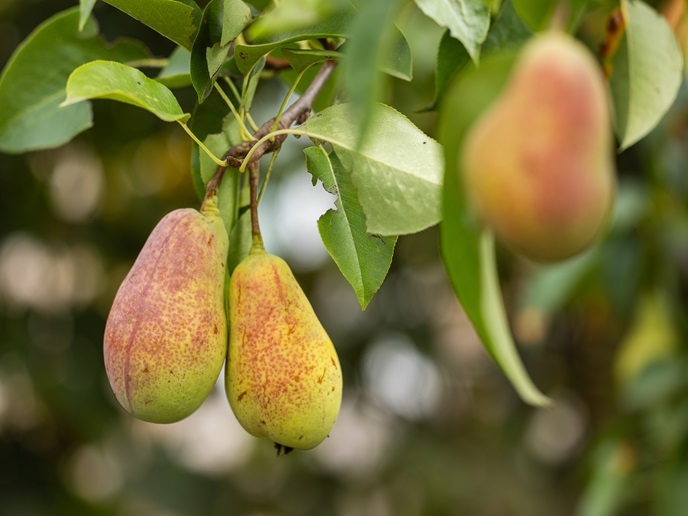
While consumer demand for organic fruit continues to grow, significant barriers stand in the way of European producers, including increased prevalence of pests and diseases, climate change and the limited availability of cultivars specifically adapted to organic growing conditions. “For many years conventional cultivars were bred for maximum yield under high-input conditions, meaning they couldn’t adapt to climate change-driven altered conditions, making them unsuitable for organic systems,” explains Khaled Djelouah from the Mediterranean Agronomic Institute of Bari(opens in new window) and coordinator of the InnOBreed(opens in new window) project. InnOBreed’s solutions, including clearer identification and prioritisation of organic-friendly cultivars, extend to the whole fruit supply chain: from growers to nurseries, distributors and regulatory bodies.
Co-designed solutions and participatory evaluations
InnOBreed focuses on perennial fruit crops – especially pome (apple, pear) and stone fruits (peach, apricot, plum, cherry), with additional work on citrus and grapes. “While economically important for European organic production, these crops face major challenges under current farming arrangements. But they do benefit from strong stakeholder networks and rich breeding resources,” explains Djelouah. InnOBreed found that many desirable cultivar traits could already be engineered using existing pre-breeding material (where genetic traits have been introduced from wild relatives to cultivated crops). But crucially, these had not been fully characterised for organic farming production. Additionally, while fruit tree genetic resources (FTGRs) open-dataset collections provide comprehensive inventories and historical records of existing plant cultivars, biological materials (such as seeds, tissues and DNA sequences) and local accessions (unique samples) often lack evaluation for traits of interest to organic growers. “In practice, this means that growers can already mine old local fruit landraces for late-leafing traits to avoid spring frost, or cross apricot cultivars with pre-breeding material for resistance to sharka [Plum pox] or bacterial canker, for example,” adds Djelouah. To help growers make the most of these opportunities, solutions are being co-designed with participants from universities, research institutes, nurseries, breeders, germplasm curators, farmers, producer associations and technology centres from multiple EU countries. The resulting tools facilitate a range of operations, such as high-throughput genotyping to identify molecular markers for breeding, and modelling that assesses climate risk or fruit quality and evaluates plants during selection processes.
Validating a toolbox of solutions
Twelve regional case studies(opens in new window) have been selected to test the maturity and transferability of 110 project innovations. One of them is the long-established Danish Apple Oasis project, which has been developing new organic apple cultivars and promoting local varieties using the Pometum(opens in new window), the Danish national apple genebank, which holds around 280 original Danish cultivars among the 800 or so in their collection. In southern Italy, the project supported the Regional center for the ex situ conservation of native fruit, vine, and olive through field trials that investigated the resistance of traditional cultivars to pathogens and environmental stress(opens in new window).
Benefiting sustainability, food security and rural livelihoods
InnOBreed directly supports the European Green Deal’s(opens in new window) ambition of expanding organic farming to at least 25 % of EU farmland by 2030. The various innovations should also help reduce costs and increase profits for growers, benefiting consumers with better quality longer-lasting produce. “We look forward to the day when we can translate our experimental innovations into clear pathways for validated propagation and supply-chain solutions,” says Djelouah.