The new tech making food supply chains truly transparent


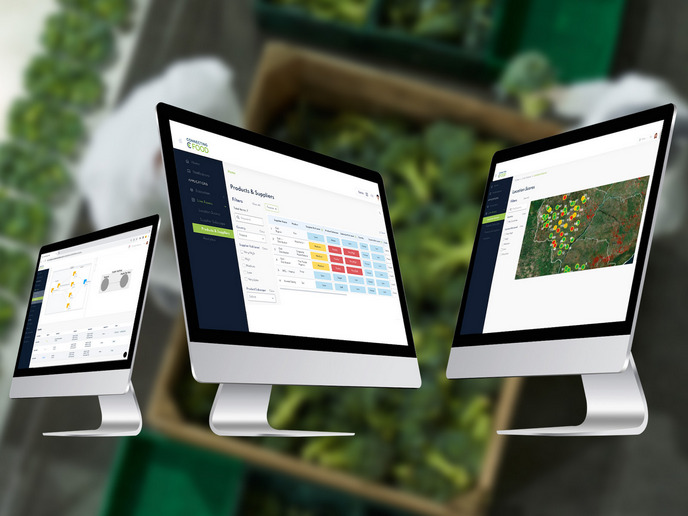
Where does our food really come from? For most shoppers, the journey from farm to supermarket shelf is still surprisingly hard to trace. Despite modern logistics and strict regulations, supply chains often rely on incomplete or inconsistent information. Today, new EU-backed innovation is changing that. Through the DIGI-TRUSTY project, the tech company Connecting Food(opens in new window) is creating a digital platform that brings real transparency to the agri-food sector – using ‘digital twins’ to map every ingredient back to its source.
Why traceability needs an upgrade
As Connecting Food’s co-founder Maxine Roper explains, one of the biggest challenges in the agri-food industry is simply connecting the people who have the data – farmers and suppliers – with the brands and retailers who need it. Regulations such as the EU’s deforestation rules(opens in new window) (EUDR), the US Food Safety Modernization Act (FSMA) and new sustainability reporting requirements (CSRD) now demand precise, verifiable, batch-level proof of where food comes from. But many current systems only record basic information from the last supplier in the chain, leaving major gaps. “Access to clean, reliable and up-to-date data at every stage is key to being able to assess and improve supply chain performance and compliance, especially in light of the development of artificial intelligence,” says Roper. Without it, companies can’t assess risks, demonstrate compliance or show consumers the transparency they’re asking for, she argues.
What is a digital twin — and why does it matter?
Instead of tracking supply chains as a simple linear flow, Connecting Food creates a digital twin – “a virtual representation of a physical product, supplier or supply chain.” Each supplier enters information into a secure online space called a CBox, where they can upload certificates, answer questionnaires or share sustainability and quality data. These details are transformed into a standardised format and combined to create a complete picture of the product’s journey. The platform even allows companies to model scenarios: for example, whether switching suppliers could reduce deforestation risks or improve sustainability performance. A blockchain layer adds an extra level of trust, recording who submitted each piece of data and when.
Benefits for consumers and the industry
For shoppers, the impact is simple and tangible. Scan a QR code on a product, and they can see its full story – the farms that supplied its ingredients, the certifications behind it, and how it meets environmental, animal welfare or fair-pay standards. As new ‘digital link’ barcodes enter use across Europe and the US, this level of transparency will become standard. Producers and supply chain actors benefit too. The platform saves time, opens new business opportunities, and allows suppliers to showcase their strengths through compliance scores. Brands and retailers gain a clear view of risks, sustainability performance and opportunities for improvement.
Towards a more trustworthy food system
The Connecting Food platform is already fully operational, with more than 4 000 suppliers in 23 countries using it. The DIGI-TRUSTY project helped refine data validation, improve incentives for suppliers and strengthen the risk-assessment tools that companies rely on. Roper believes this approach can help transform global supply chains. Looking ahead, Roper says: “We believe that Connecting Food will become a European champion with a network of trusted data-providers as the cornerstone of improving the transparency and compliance of agrifood supply chains globally.” Ultimately, the goal is “to showcase the merits of sustainable practices and build trust as customers and consumers seek transparency in the food they buy.”