


Building a shared European commitment to disaster preparedness


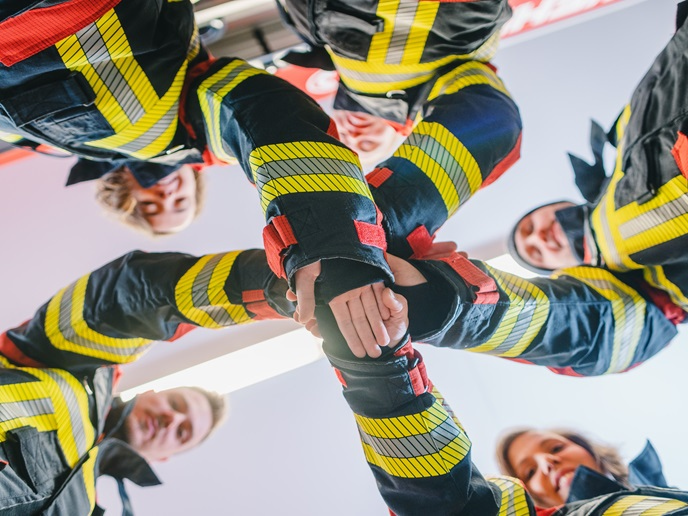
Europe is confronted by multifaceted hazards and threats, which present a challenge to traditional responses and approaches. There is an urgent need for holistic solutions that improve anticipation, prevention and response, through innovations such as advanced early warning systems and more robust decision-making support. Furthermore, it is critical that such solutions actively involve communities and strengthen the capabilities of first responders. The EU is taking action to ensure these pressing needs are met. The EU’s preparedness union strategy(opens in new window) for example places strong emphasis on societal resilience and citizen engagement, while the European Disaster Risk Management(opens in new window) framework integrates policies focused on prevention and the reduction of disaster risks. The Union Civil Protection Knowledge Network(opens in new window) meanwhile is all about connecting researchers and policymakers with practitioners on the ground. Similarly, the CERIS(opens in new window) network brings together the security research community to identify opportunities, such as the growing role of digital- and space-related solutions as enablers of resilience. Together, these and other strategies are enhancing the EU’s preparedness and readiness for future crises and helping to ensure that all actors are capable of responding quickly and effectively if needed. This CORDIS Results Pack highlights 10 EU-funded projects that are actively contributing to these overarching aims. These research projects integrate science, technology and community engagement, to strengthen information sharing and improve the efficiency of crisis response. Many have been funded through Horizon Europe’s Cluster 3(opens in new window), a programme that aims to build a safer and more secure Europe. To help achieve this, some projects have developed advanced tools, technologies and frameworks to improve early warning systems, while others have strengthened decision-making mechanisms and empowered citizens to take a more active role in preparedness and response. By presenting these insights, this Results Pack serves as a valuable reminder that innovation and social engagement can bring concrete benefits. The results also underline Europe’s capacity to protect its citizens and build a shared commitment to disaster preparedness. Extreme weather and climate events can have devastating consequences for citizens and communities. To address this, the C2IMPRESS project has pioneered novel people-centred risk assessment frameworks, to empower citizens to take climate action. Similarly, the RiskPACC project saw citizens and civil protection authorities come together to co-create solutions for enhancing disaster resilience. EU-funded projects have also sought to equip civil protection authorities and first responders with advanced technological support. GOBEYOND for example has developed multi-risk early warning systems for geohazards and weather events, based on impact-forecasting algorithms, while PARATUS has pioneered an open-source platform to analyse and evaluate various disaster response scenarios. Similarly, MEDiate has developed a decision support system that takes account of multiple interacting natural hazards and cascading impacts, while MEDEWSA has strengthened forecasting and early warning systems across the European-Mediterranean-African region using novel tools such as AI. Advanced triage technology pioneered through the NIGHTINGALE project could transform emergency care by integrating artificial intelligence, wearables and real-time coordination, while RESCUER has developed a cutting-edge sense augmentation toolkit to help firefighters, police officers and paramedics navigate the challenging conditions they face daily. Finally, The HuT has shown how effective communication and strong decision support can help societies to better prepare for natural climate-related disasters. TRANSCEND brought citizens into the design and development of security technologies to help to make societies safer.
