New drugs take aim at the Zika virus

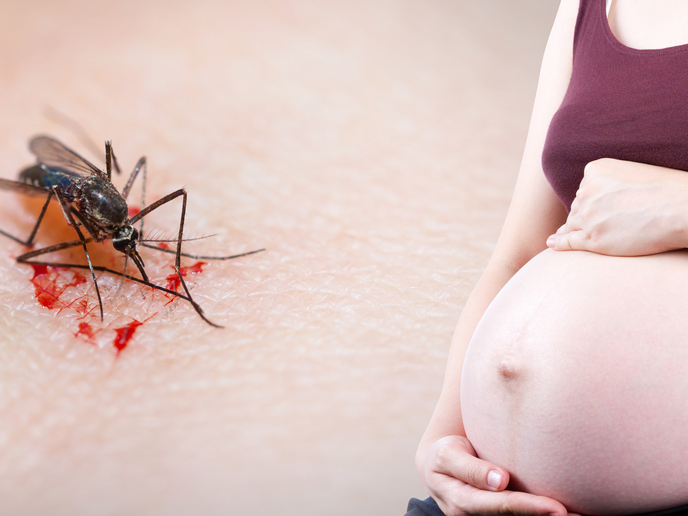
Viruses that infect the brain and the central nervous system are an evolving threat of terrible dimensions – a fact made painfully clear by the Zika outbreaks. Like the Dengue and Chikungunya viruses, Zika is spread by mosquitoes. But unlike these other viruses, which penetrate the blood-brain barrier (BBB) to cause severe neurological disorders, Zika can impact both an individual and, if pregnant, their foetus. “Zika is particularly dangerous because when a pregnant woman is infected, the virus can translocate the blood-placental barrier and then the developing blood-brain barrier of the foetus, causing microcephaly and serious neurological disorders to newborn babies,” explains Miguel Castanho, a professor at the Lisbon School of Medicine(opens in new window). The challenge is that 98 % of available drugs cannot penetrate the BBB, let alone the blood-placenta barrier (BPB), meaning they are unable to treat malignancies associated with the central nervous system. But this could soon change, thanks in part to the work being done by the EU-funded NOVIRUSES2BRAIN(opens in new window) project.
Blood-brain and blood-placenta barrier penetrating molecules
To protect both the host and their foetus from Zika, researchers needed to find a drug that could reach the mother’s brain and her placenta. “We needed to find a drug that could do double duty and translocate both the BBB and BPB to target the virus across barriers, including during pregnancy,” says Castanho, who served as the project coordinator. One drug that shows promise is peptide-porphyrin conjugates (PPCs). According to research supported by the NOVIRUSES2BRAIN project(opens in new window), not only are PPCs – and PP-P1 in particular – able to cross both the blood-brain and blood-placenta barriers, they’ve also proved to be effective against the Zika virus. “Peptide–porphyrin conjugation stands out as a promising strategy to fill the Zika treatment gap,” notes Castanho. The project team ultimately contributed to the design of two BBB and BPB penetrating molecules having all the necessary characteristics to start being tested in humans, after being thoroughly tested in animals for safety and efficacy.
Beyond Zika
While the project’s focus might have been on Zika, its research has a much broader impact. For instance, its proposed drugs can be used to simultaneously target Zika, Dengue and Chikungunya, while its methods for placing medicine in the brain and the placenta could open the door to curing other brain-resident malignancies such as tumours or Alzheimer’s disease. Its work also helps advance Europe’s pandemic readiness and preparedness. “We succeeded at delivering a broad-spectrum antiviral that can be used against existing and future viruses and therefore be useful for current patients and future pandemic victims,” concludes Castanho. “We also provided knowledge that others can use to make drugs that better penetrate the brain and the placenta.” Researchers are currently working to move the project’s proposed drugs from preclinical to clinical trials.