AI-supported care for chronic lung disease and comorbidities

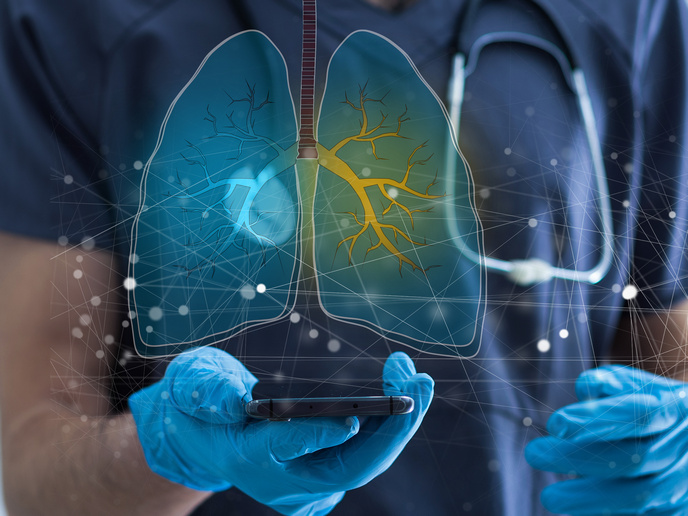
Chronic obstructive pulmonary disease (COPD) is a heterogeneous and progressive lung condition characterised by chronic respiratory symptoms. It is accompanied by cardiac, psychological, and other comorbidities, significantly affecting the quality of life of patients and complicating care. Patients may also experience worsening of symptoms, known as exacerbations, which are associated with systemic inflammation. Despite constituting a leading cause of death, clinical decision-making on COPD relies on scheduled medical check-ups. This approach misses the subtle changes that occur in everyday life and often precede serious exacerbations.
Rethinking chronic care beyond the clinic
The EU-funded RE-SAMPLE(opens in new window) project was launched to address this gap and transform how COPD and comorbidities are managed. The goal was to support healthcare professionals and patients improve their care. “RE-SAMPLE shows what happens in between patients’ scheduled visits and predicts whether their condition deteriorates,” explains project coordinator Monique Tabak. With the involvement of patients, clinicians, and other stakeholders, the project has developed a platform for bringing together real-world data from multiple sources(opens in new window), including hospital records, patient-reported outcomes, and wearable sensors. Environmental data such as weather and air quality are also considered and used to train machine-learning models to predict the risk of upcoming COPD exacerbations and changes in quality of life. The platform also highlights the clinical, behavioural, and environmental factors driving those risks. These insights are presented through a dedicated clinical interface, enabling shared decision-making and personalised treatment strategies.
A virtual companion for daily life
RE-SAMPLE has also developed a virtual companion app, a digital support system designed to empower patients in self-care. Patients can monitor relevant lifestyle and physiological parameters such as physical activity, sleep, and heart rate using wearables. Moreover, the app allows patients to self-report their daily symptoms. If patients report worsening symptoms, the system dynamically expands to explore COPD, mental health, or cardiovascular indicators, capturing early signals of deterioration. A specific algorithm(opens in new window) is used to calculate a daily COPD symptoms score and to decide if a patient must be referred to visit one of the (shared) care facilities.
Preliminary results and future steps
RE-SAMPLE has undertaken both retrospective and prospective studies in three pilot sites in Estonia, Italy, and the Netherlands. Apart from methodology validation, these studies demonstrated very good patient adherence in providing answers. The project has already generated new understanding of how chronic conditions interact. Analyses revealed, for example, that deterioration in chronic heart failure symptoms can precede worsening COPD symptoms, and vice versa. “The real-world monitoring shows what patients often experience, but clinicians cannot see in clinical practice, indicating the importance of monitoring complex chronic conditions together,” highlights Tabak. Overall, RE-SAMPLE has delivered a secure ecosystem for chronic disease management that is predictive rather than reactive, and where patients participate in their care. Long term, the project’s integrated approach could help shift care from hospital-centred models towards home-based support, reduce healthcare utilisation, and accelerate recovery from exacerbations.