



Four plant-cell skincare ingredients reach product launch

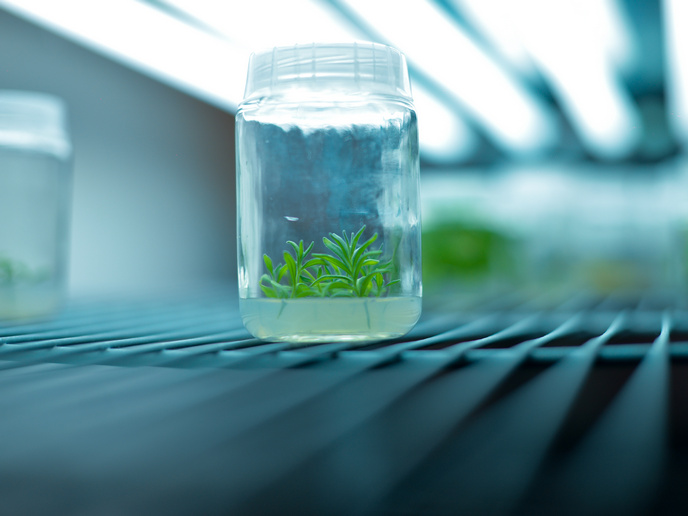
An ingredient list rarely tells you how an active substance was produced. Many plant-based active substances are extracted from crops whose chemistry changes with weather, soil and harvest timing, and, as a result, performance can vary from batch to batch. The EU-funded InnCoCells project(opens in new window) set out to make that supply chain more predictable by producing cosmetic ingredients from plants grown in controlled systems, such as cell cultures, hairy roots, and aeroponics, then scientifically validating their activity and safety using advanced in vitro and ex vivo assays without animal testing.
Plant cell cultures reach real product launch
The InnCoCells project concluded with products on the market, not only lab results. As project coordinator, Heiko Rischer says, “We exceeded our original expectations with regard to the stage of development, with four ingredients advancing to full product launch and more than 10 others reaching an advanced pre-commercial stage.” Four launches demonstrate what ‘plant cells in a bioreactor’ can mean for everyday skincare. Two industry partners launched products targeting visible concerns such as dark spots and dullness, hydration and barrier support, signs of ageing, and protection against UV-related damage. These products use cell cultures derived from plants including jasmine, hyssop, peony, and juniper.
Underused plants that perform consistently
The project screened extracts from more than 90 species, looking for strong bioactivity and practical production routes. Underused plants can be attractive sources of bioactive compounds, but harvesting whole wild plants can be unreliable and difficult to standardise. One example highlighted by the team is scurvy grass, a small Nordic plant that would be challenging to farm at scale for cosmetics. Rischer explains how cell cultures help: “Our scurvy grass cell cultures are consistent in quality and produce extracts that show antimicrobial, anti-inflammatory and anti-ageing properties, ranking among the top five extracts we tested for these effects.” This consistency matters because cosmetic brands need the same ingredient performance month after month and across markets.
Scaling up safely while using side streams
Moving from lab vessels to pilot-scale production can break a process, even when the biology works. InnCoCells scaled selected lines up to 300 l and 1 000 l by adapting aeration, light delivery and mixing so that cells stayed healthy and productive as volumes increased. Safety work ran alongside performance testing. The project used cytotoxicity and phototoxicity screening to identify the highest non-toxic concentrations and prioritise ingredients that combined low toxicity with useful activity, backed by chemical analysis for stability. The InnCoCells project also tested a ‘cascade’ approach: extracting value from by-products and waste streams before they are discarded. Ginger press cake, the leftover pulp after pressing ginger, showed high anti-inflammatory and anti-ageing activity, and Rischer notes that “olive pruning waste was even more promising, with a strong anti-photoageing effect and the ability to boost collagen production by 25 %.” Using these side streams can strengthen the business case by turning low-value residues into higher-value inputs. The subsequent steps focused on scaling the most promising routes, finalising technical data sheets and dossiers that substantiate performance and safety claims, and transferring robust cultivation and extraction protocols into industrial operations. If those steps hold, consumers get more reliable ‘plant-based’ ingredients that behave the same from bottle to bottle, and Europe gets a clearer pathway from biodiversity to products without relying on fragile harvests.