Dealing for a clean hydrogen future in Europe


Two recent purchase power agreements (PPAs) mark a major step for the EU-funded REFHYNE II(opens in new window) project, which aims to scale up clean hydrogen production for industrial use. The agreements secure wind and solar power for a 100 MW electrolyser under construction at the Shell Energy and Chemicals Park Rheinland in Germany. Once operational in 2027, the electrolyser is expected to produce up to 44 tonnes of renewable hydrogen per day to partially decarbonise site operations.
Two agreements, one renewable goal
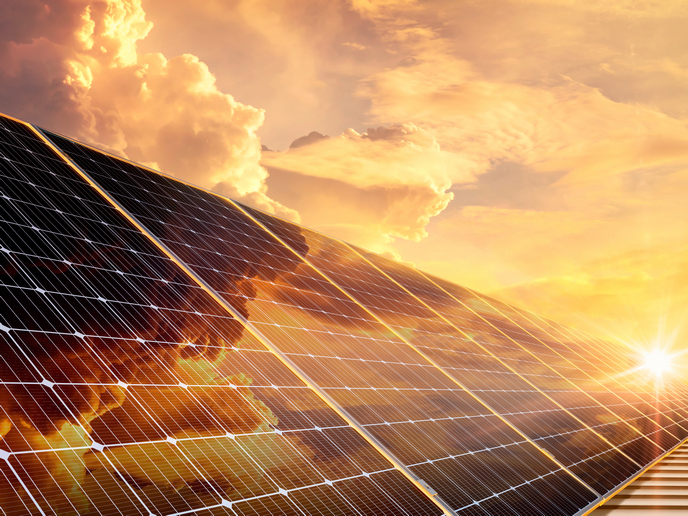
The project signed two agreements with German companies Nordsee One and Solarkraftwerk Halenbeck-Rohlsdorf. Under the five-year PPA with Nordsee One, REFHYNE II project partner Shell will offtake around a third of the output from the 332 MW wind farm Nordsee One constructed in the German North Sea. The 100 MW unit will generate renewable hydrogen to help decarbonise energy products – from transport fuels to chemicals – used across Europe. “This corporate PPA for carbon free electricity will deliver steady economic and environmental value for all its partners and show the potential for offshore wind to support the decarbonisation of the German industry,” states Till Frohloff, Managing Director of Nordsee One, in a news item(opens in new window) reporting the two deals. Under the separate 10-year PPA with Solarkraftwerk Halenbeck-Rohlsdorf, Shell will offtake around 75 % of the power generated by a 230 MW solar project currently under construction in north-eastern Germany. The project consists of two nearly identical plants of 115 MW each. “The Halenbeck project shows that subsidy-free solar power production in Germany and its large-scale industrial use is a reality. Using this electricity to help produce hydrogen for the decarbonisation of fuels and chemical products is a huge step forward. It demonstrates once again that solar power has become a mainstay of Germany’s energy supply,” comments Karl-Heinz Remmers, co-CEO of Solarkraftwerk Halenbeck. Part of the power generated under the two PPAs will supply the REFHYNE II electrolyser when it begins operating in 2027. In the long term, REFHYNE II is positioned to deliver renewable hydrogen directly to local industries, driving emission reductions in line with evolving market needs.
Creating a road map to sustainability
A recent workshop served as an opportunity to share the project’s developments, key learnings and achievements so far. Held in Poland in February 2026, the event brought together REFHYNE II partners and experts from across the renewable hydrogen sector to exchange views on scaling up clean hydrogen in Europe. The workshop also featured presentations and panel discussions on the role of hydrogen and renewable hydrogen in refineries, challenges and opportunities when investing in renewable hydrogen production as well as the importance of cooperating with regulators and institutions. REFHYNE II is building on the lessons learned from REFHYNE I, in which Shell constructed one of the largest hydrogen proton exchange membrane (PEM) electrolysers in the world, with a peak capacity of 10 MW. Through REFHYNE II, the company is now constructing a 100 MW hydrogen PEM electrolyser at the same facility. The REFHYNE II (Clean Refinery Hydrogen for Europe II) electrolyser is expected to far exceed its predecessor’s production of 1 300 tonnes, reaching up to 16 000 tonnes of hydrogen per year. The electrolyser is scheduled to begin operating in 2027. For more information, please see: REFHYNE II project website(opens in new window)