Converting harmful CO2 into useful chemicals

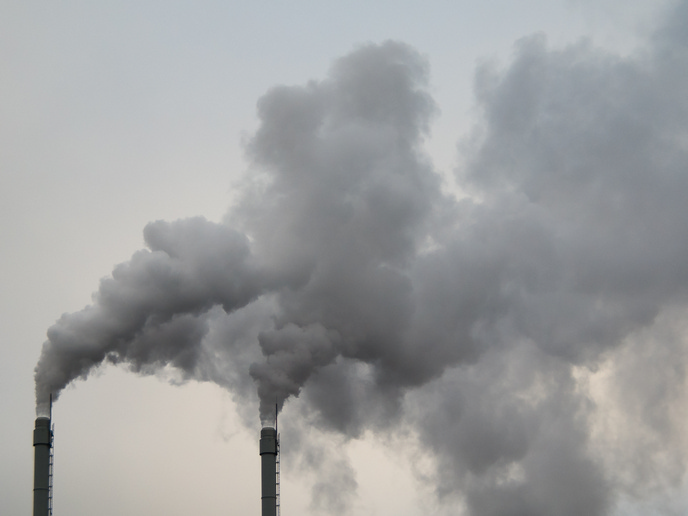
Having an estimated 45 % lower life-cycle CO2 emissions than their fossil-based counterparts, biobased industries offer a potential path towards reducing greenhouse gas emissions. However, that path is far from clear. That’s because sometimes the carbon-saving benefits of using biomaterials can be cancelled by the amount of carbon used to process the materials. To achieve their carbon-neutral potential, biobased industries need innovative new solutions for reducing processing-based emissions – which is exactly what the EU-funded CATCO2NVERS(opens in new window) project set out to do. Using integrated catalytic technologies, the project looks to turn harmful carbon emissions into helpful chemical solutions. “With breakthrough technologies that valorise the waste streams of biomass processing, CATCO2NVERS has created a use for waste CO2 that supports a circular economy while also reducing greenhouse gas emissions,” says Dulce Muñoz Subtil, director at Funditec Research SCIENCE(opens in new window), the project’s coordinating partner.
Closing the bioindustry loop
With a focus on two different industries processing two different types of biomasses, namely agriculture biomass and organic solid waste, the project developed three catalytic processes, each of which has been validated at a technology readiness level five (technology validated in relevant environment). But the project didn’t stop with the technology. It also showed how these technologies can be used to turn CO2 waste into such added value chemicals as glyoxylic and lactic acids, cyclic carbonates, methyl esters and biomethanol. Each of these chemicals is widely used by the chemical, cosmetics and plastics industries. For example, glyoxylic and lactic acids can be used as additives in cosmetics, while lactic acid, cyclic carbonates and a methyl ester are the building blocks of biopolymers, which are 100 % bio-origin. Biomethanol, on the other hand, can be used in the production of such biochemicals as green solvents. “When bioindustries use these solutions to produce new products, they create a closed loop process,” adds Muñoz Subtil.
A new value chain based on CO2 emissions
According to Muñoz Subtil, the CATCO2NVERS project has provided a set of validated building blocks on which bioindustries can continue to build. “By helping create new value chains based entirely on CO2 emissions, our work advances such EU policy initiatives as the Green Deal(opens in new window) and a circular bioeconomy,” she notes. In addition to the technology itself, the project has made its catalytic models and research available as open access(opens in new window) and via scientific publications. It also conducted a comprehensive market and regulatory assessment, laying the groundwork for further development and eventual commercialisation. “By demonstrating the technology, CATCO2NVERS has significantly reduced the technological and adoption risk of implementing CO2 conversion solutions – thus clearing the path for investment and implementation,” concludes Muñoz Subtil.