



Implantable artificial pancreas for type I diabetes

Type 1 diabetes is an autoimmune condition in which the pancreas can no longer secrete insulin. For millions of people, this translates into measuring glucose, monitoring carbohydrate consumption and injecting insulin on a daily basis. Hybrid closed-loop systems have significantly improved glycaemic control and quality of life through continuous glucose monitoring and subcutaneous insulin pumps. However, subcutaneous delivery remains suboptimal because insulin absorption is relatively slow, requiring careful meal planning and frequent patient intervention.
A system for intraperitoneal delivery of insulin
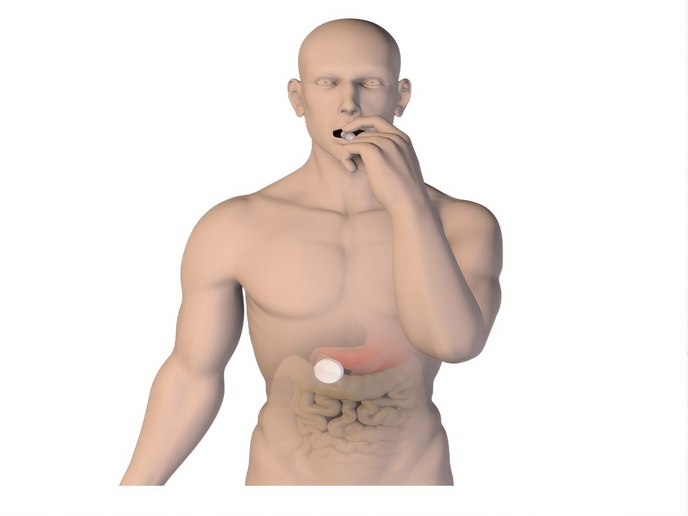
The EU-funded FORGETDIABETES(opens in new window) project proposes a radically new therapeutic approach: a fully implantable bionic pancreas delivering insulin via the intraperitoneal route. “Intraperitoneal delivery more closely resembles normal physiology, enabling insulin to act and clear more rapidly,” explains Claudio Cobelli, Emeritus Professor of Bioengineering at the University of Padova and project coordinator. The system integrates three core components: a glucose sensor, a control algorithm and a pump connected to an internal insulin reservoir. A novel feature is the use of an oral insulin capsule(opens in new window) that patients must ingest once a week. These pills passively travel along the gastrointestinal tract until reaching the implanted device, where they refill the reservoir. This approach reduces the psycho-social burden associated with frequent injections Importantly, the system uses novel biocompatible and immune-optimised coatings, guaranteeing long-term safety and stability. Continuous data transmission to the cloud ensures disease management.
Adaptive algorithms for precise glucose control
At the heart of the system lies an advanced control algorithm tailored to each patient. Maintaining blood glucose within the recommended target range requires precise insulin dosing, as too little can lead to hyperglycaemia and too much can cause hypoglycaemia. The adaptive algorithm continuously interprets sensor data and adjusts delivery accordingly. Because intraperitoneal administration more closely mimics the natural pancreas(opens in new window), researchers hope it may eventually allow for narrower glucose targets and improved metabolic stability. The device is designed to respond rapidly to changes following meals or exercise, reducing the need for constant user input. Moreover, it is charged through wireless power transfer from a wearable patch outside the body.
Device testing and validation
The consortium has successfully tested the system in diabetes animal models. If successful, the technology could significantly reduce the numerous diabetes-related actions many patients currently perform each month, replacing them with only a few maintenance steps. Ultimately, the ambition is to move closer to an automated, fully implantable artificial pancreas that relieves the daily burden of disease management. By combining physiological insulin delivery with intelligent control, FORGETDIABETES seeks to offer people with type I diabetes greater freedom, improved metabolic control and a substantially enhanced quality of life. Beyond clinical performance, the project also addresses long-term reliability and scalability. According to Cobelli: “The next steps include additional animal studies, miniaturisation of device components as well as increasing the compatibility and durability of the implant according to European medical device standards.” Long-term these will bring the FORGETDIABETES solution closer to clinical implementation, making life easier for people living with type I diabetes.