Turning climate ambition into climate action

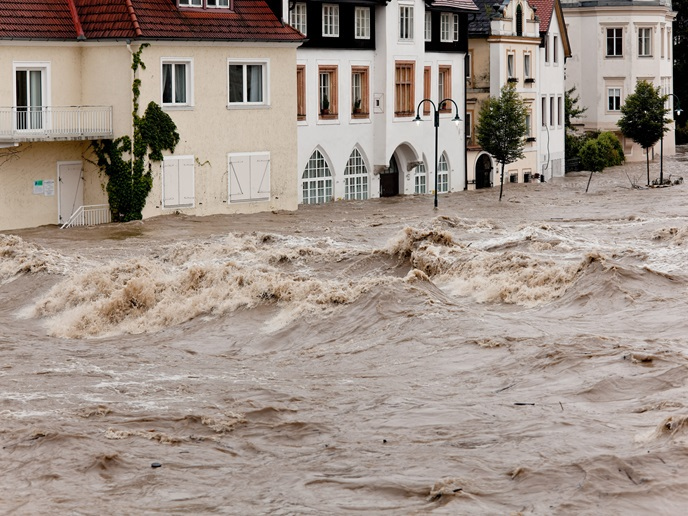
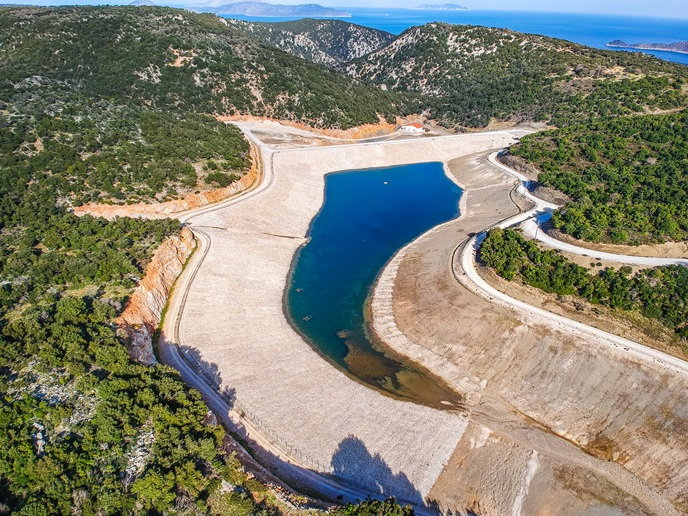
While regions across Europe are already experiencing heatwaves, floods, droughts and sea-level rise, climate adaptation is often tackled in a piecemeal way. “This means one sector, one technology, one pilot at a time,” says ARSINOE(opens in new window) project coordinator Chrysi Laspidou from the University of Thessaly(opens in new window) in Greece. “A key gap we identified was the lack of practical pathways that help regions to define their priorities across interconnected systems (water-energy-food-ecosystems, for example), identify real innovations that match those needs, and move towards financed, implementable measures. ARSINOE was designed to bridge that gap and pilot the approach of the EU Mission on Adaptation to Climate Change(opens in new window).”
Implementing climate adaptation pathways
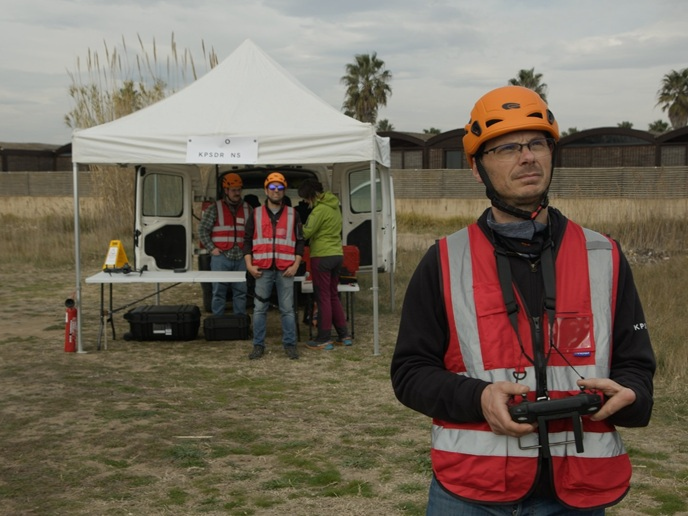
ARSINOE set out to create an approach that regions could use to design and implement adaptation pathways that fit their needs. For this, the project brought together a large, multidisciplinary consortium that spanned research organisations and universities, SMEs, cities/regions and public authorities, as well as European and international networks. “We worked through nine diverse case studies (living labs), from Athens to southern Denmark,” notes Laspidou. “We brought together various stakeholders to build shared visions, identify barriers and define step-by-step pathways towards climate adaptation.” In Athens, a key aim of city planners is to enhance green infrastructure and support urban biodiversity, in order to adapt to and build resilience to climate change challenges such as extreme heat and flash floods. For this, an innovation marketplace and matching mechanism – the Climate Innovation Window(opens in new window) (CIW) – was built. This mechanism allows regions to select and contract innovations for demonstration and uptake. “In short, ARSINOE didn’t treat innovation as ‘technology only’, but as a system that must include people, governance, data and finance to make solutions deployable at scale,” explains Laspidou.
From regional needs to real solutions
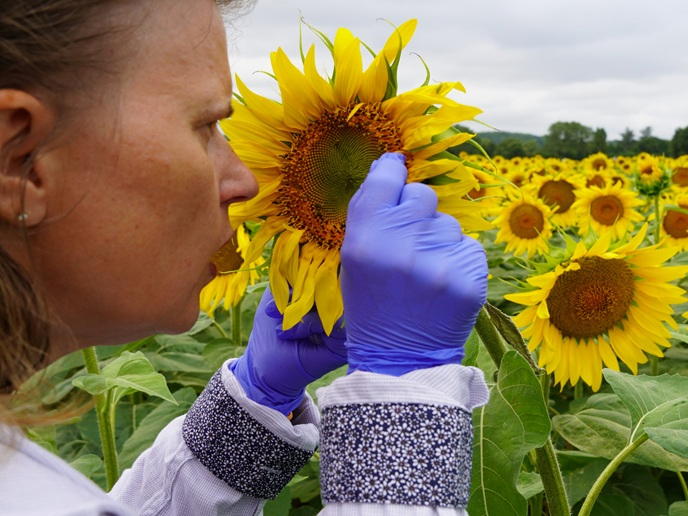
The CIW was a critical element in a pipeline identifying regional needs to put in place real solutions. Case studies from the nine living labs provide a detailed picture of the challenges faced and solutions identified. In Romania, pilot interventions such as evaluating biofiltration bacteria in the Danube delta and testing techniques on salt-contaminated soils were applied to restore ecosystem functions and support climate adaptation. “We upgraded the CIW based on user feedback and practical use,” adds Laspidou. “In total, 23 innovations were contracted across the case studies through open tender rounds, helping innovators gain real-world validation and helping regions move faster from ‘interest’ to ‘implementation’.” The project also launched a citizen science app called MINKA(opens in new window). This was used by almost 9 000 people to collect over 370 000 biodiversity observations in urban Athens alone, providing a solid biodiversity dataset for the city to plan its future interventions. “By pinpointing vulnerabilities, policymakers can prioritise adaptation, allocate resources effectively and design risk-mitigation strategies, while scientists can support the development of climate-resilient regions,” remarks Laspidou.
Identifying appropriate climate solutions
Moving forward, public authorities will continue to be able to use the CIW to identify appropriate climate solutions and learn from the experiences of the project’s nine case studies. Innovators and SMEs also stand to benefit through increased visibility, and a mechanism that matches their solutions with those who need them. Replication beyond the nine living labs will also be fostered through networks such as ENRICH GLOBAL(opens in new window). This brings together innovators, public authorities and community leaders from across Europe to shape more resilient and sustainable communities. “ARSINOE is turning high-level European Green Deal(opens in new window) ambitions into implementable regional pathways,” says Laspidou. “Our tools and guidelines can help regions to co-design adaptation strategies that are cross-sectoral, evidence-based and linked to financing and governance realities. This is not only about ‘what to do’, but ‘how to make it happen’.”