Bringing marine biodiversity into focus with new technologies

Currently, only 2 % of EU seas are covered by marine protected areas, whereas since 1970 there has been a decline of more than 70 % in the average size of wildlife populations. Despite these dismal statistics and need for conservation, marine biodiversity data remain fragmented, unevenly accessible and difficult to integrate across borders. As a result, there is an imminent need for monitoring fisheries, protecting endangered species and restoring habitats.
Connecting fragmented observation systems
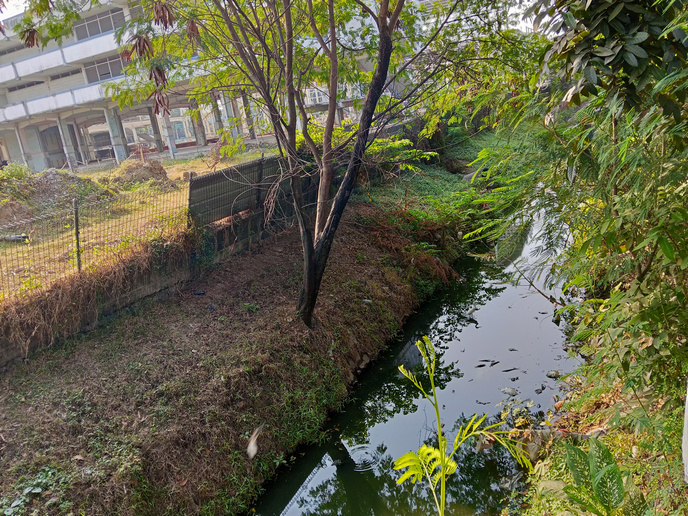
The EU-funded MARCO-BOLO(opens in new window) project set out to change this by connecting existing observation capacity, improving technologies and aligning biodiversity monitoring with European and global standards. The project focused on improving access to biodiversity data, developing new monitoring technology and generating predictive models. “Our goal was to strengthen Europe’s base for marine biological observation,” outlines project coordinator Nicolas Pade. Although Europe has extensive monitoring programmes, lack of coordination across national and regional schemes limits their collective impact. The project’s findings indicate that stronger cross-border coordination could substantially improve biodiversity assessments, particularly in freshwater and coastal systems. To improve data access and reuse, the consortium utilised various platforms (EMODnet, OBIS and GBIF).
Technological innovations
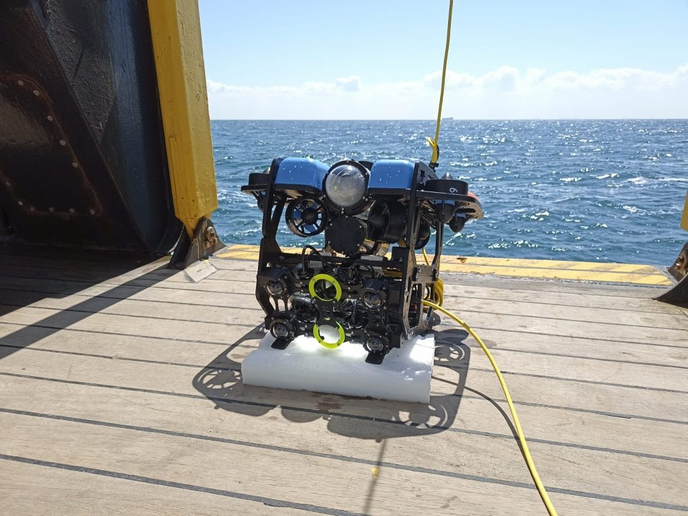
On the technological front, MARCO-BOLO has tested and integrated a range of advanced tools for biodiversity mapping and monitoring. Environmental DNA has been extensively evaluated(opens in new window), demonstrating reliability comparable to traditional sampling methods and, in some cases, superior performance for detecting rare, cryptic or microscopic species. The project has also integrated satellite remote sensing(opens in new window) with genomic observations to improve predictions of plankton bloom composition. “A unique development in MARCO-BOLO is the design of software that allows many sensors deployed at the same time to communicate and ensure the accurate geolocation of all samples,” highlights Pade. Large-scale field deployments in the North Sea, involving research vessels, moored instruments and autonomous vehicles, demonstrated the feasibility of integrated, cost-effective monitoring systems.
Engaging stakeholders and shaping governance
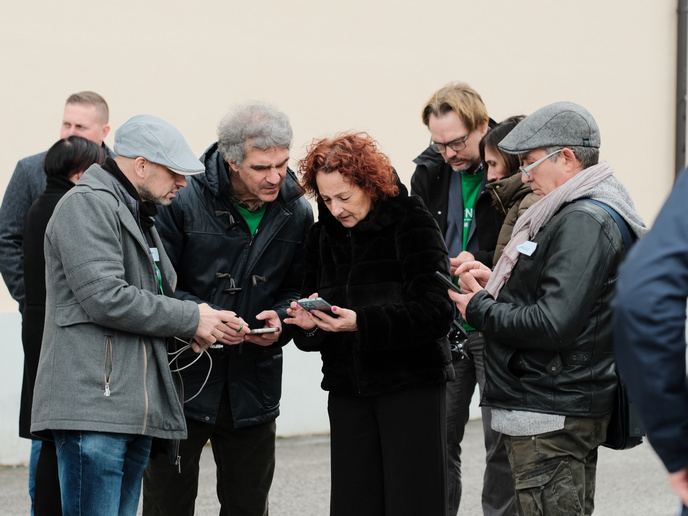
Recognising that data only matter if they are used, MARCO-BOLO established a community of practice to connect data generators with policymakers, environmental agencies and other end users. “The aim was to engage with different marine stakeholders to understand their needs and bottlenecks in getting information and data products to the right people and in the right formats,” explains Pade. Collaboration with initiatives such as Biodiversa-plus, OBAMA-NEXT and BioEcoOcean has strengthened links to European and global observation frameworks, including GOOS(opens in new window) and GEO BON(opens in new window). These interactions revealed a significant knowledge gap in marine biodiversity within parts of the policy community, underlining the importance of capacity building and clear communication.
A foundation for future monitoring
Beyond specific technologies, MARCO-BOLO’s broader success lies in demonstrating that coordinated European action can enhance marine biodiversity observation. By improving data accessibility and advancing multi-sensor integration, the project has raised the standard for biological monitoring across coastal and oceanic waters. According to Pade: “The real achievement of MARCO-BOLO is not just collecting more data but integrating biological monitoring into Europe’s observation systems in a coherent and standardised way.” The project now calls on national programmes and EU institutions to build on its recommendations, ensuring that Europe implements marine biodiversity monitoring considering the accelerating environmental change.