


Genomics and other new approaches for cost-effective biodiversity monitoring


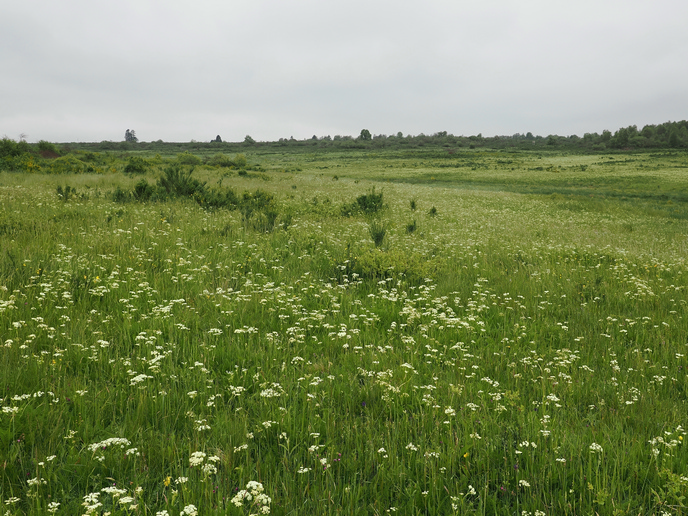
Essential ecosystem services such as pollination, water purification, soil fertility, disease control and climate regulation are dependent on healthy ecosystems. However, Europe’s rich array of biodiversity, habitats and species is under threat due to human activities and climate change. This degradation affects our well-being and economy, as evidenced by Europe's environment 2025(opens in new window) (European Environment Agency - EEA). The EU has taken action to protect and restore biodiversity and ecosystem services, with goals and targets defined in the EU biodiversity strategy for 2030. Also at global level, the COP15 under the Convention on Biological Diversity adopted the Kunming-Montreal Global Biodiversity Framework(opens in new window) that established targets to be regularly monitored. Concrete steps have been taken at the EU level with the implementation of the Green Deal agenda, particularly with the adoption of the EU Nature Restoration Regulation in 2024, which is now at the stage of implementation. Other important relevant EU policies and legislations include the Birds and Habitats Directives, the Water Framework Directive, the Marine Strategy Framework Directive and the EU Regulation on Invasive Alien Species. Nature credits(opens in new window) are expected to contribute to boosting private investments in nature-positive actions in the future. Accurate biodiversity monitoring is key to evaluating the effectiveness of biodiversity policies and measures, but it can be relatively costly if done with traditional methods. Alternative effective and affordable methods based on new technologies are therefore expected to greatly support biodiversity policies and nature-positive actions. This Results Pack features 12 selected projects funded under the EU’s Horizon Europe research programme that help to address current challenges to the protection and restoration of ecosystems. They involve designing and developing innovative technologies and approaches for monitoring, assessing, conserving and enhancing biodiversity and ecosystems at the European level. The projects identified for this Results Pack support data collection and monitoring changes in biodiversity through the application of genomic science and other advanced technologies. They include environmental DNA analysis, which can detect endangered wildlife that is otherwise unobserved. Other technologies involve the development of digital platforms and tools, the use of artificial intelligence and Earth observation. Some projects also provide a first assessment of the cost-effectiveness and of the potential of these new technologies and approaches to ease EU biodiversity monitoring for policies. By providing crucial insights into the drivers of ecosystem degradation, these initiatives can revolutionise the way biodiversity is studied and understood, contributing to informed policymaking for the protection, restoration and sustainable use of biodiversity and ecosystems. The BGE project used DNA barcoding to identify species and genomic sequencing to decode entire genomes of museum specimens. TETTRIs worked with citizen scientists and professionals to increase expertise and knowledge in taxonomy. MARCO-BOLO developed new monitoring technology to improve predictive models for understanding and restoring ocean health. OBAMA-NEXT developed a toolbox for precisely evaluating the biodiversity of coastal marine ecosystems. BiOcean5D laid the foundations for a comprehensive 5D map of the world’s oceans. BioMonitor4CAP designed advanced biodiversity monitoring systems for agricultural land. Biodiversa-plus supports high-quality biodiversity research to create a harmonised biodiversity monitoring network across Europe. MAMBO developed and tested tools for tracking species and assessing the condition of habitats. GUARDEN designed support applications for guiding decision-making for species identification and habitat mapping. NATURE-FIRST created digital tools to make biodiversity mapping faster, smarter and more predictive. Meanwhile, Safeguard investigated the fall in the number of wild pollinators and identified the most effective actions for reversing their decline. Finally, BioDiMoBot developed a biohybrid robot for long-term monitoring of biodiversity and ecology.