Your food choices may be worse for the planet than you think


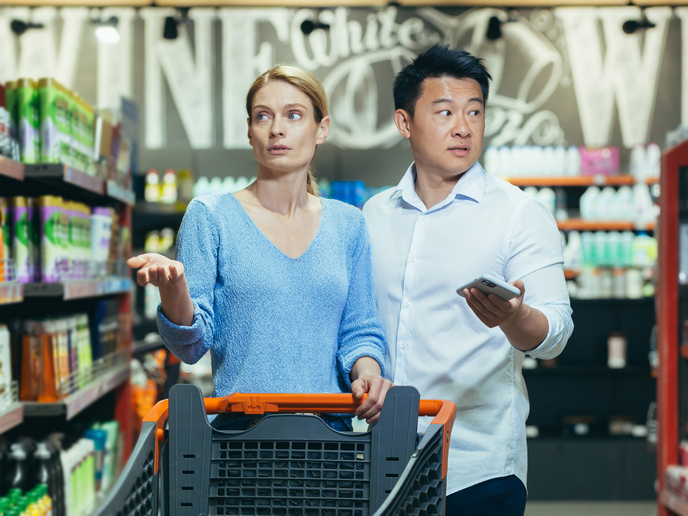
Do you think that you eat sustainably? Think again. What if your go-to healthy foods are not so green, after all? The foods you trust might be harming the environment more than you realise. More and more studies confirm that we as consumers have a limited or inaccurate understanding of the environmental impact of food products, such as greenhouse gas emissions and biodiversity loss. Although we express positive attitudes toward sustainable food choices, these views aren’t always reflected at supermarket shelves. A research team at the University of Nottingham in the United Kingdom claims that most of us get the real environmental impact of the foods we eat totally wrong. The findings were published in the ‘Journal of Cleaner Production’(opens in new window).
The truth might surprise you
Study researchers asked 168 adults to sort 44 common supermarket items into environmental impact categories that they created and named themselves. “We designed an online task to engage people with the topic and provide an interactive and visual way of investigating their understanding of the environmental impact of food,” explained lead author Daniel Fletcher, postdoctoral researcher from the School of Psychology, in a news release(opens in new window). “We found participants would be willing to change their purchasing behaviour based on this task, reporting intentions to decrease (or increase) their future consumption of products for which they were surprised by how high (or low) the scientifically estimated environmental impact was.” The categorisation task confirmed two hidden elements in how the participants sorted foods. They separated foods by animal or plant origin and sorted by level of processing. The findings revealed that clear and consistent labelling on products could narrow the difference between people’s perceptions of a wide range of food products and what is scientific reality. This will provide consumers with the clarity they need and speed up more sustainable purchasing. Fletcher added: “Our findings also suggest people may struggle to compare the environmental impact of animal-based products and highly processed foods because they see their effects as too different to weigh against each other. Environmental impact labels that give foods a single overall grade (such as A–E) could help make these comparisons easier for consumers.”
Rethinking sustainable eating
Although many people believe processed foods are the most harmful, they often neglect the unexpectedly high impact of foods like nuts and misjudge just how damaging beef can be. These misconceptions stem from depending on simple distinctions such as ‘animal vs plant’, rather than considering the full complexity of environmental impact. “The environmental impact data on food products is opening up new avenues for this research and this is the first study to look at this against a wide range of everyday products and examine what people’s perceptions of these are,” concluded senior co-author Alexa Spence, professor at the School of Psychology. “What was clear from the study is that there are a lot of misconceptions around this which really supports the need for environmental impact labelling which would help people to be more informed to make sustainable food choices.”