Rethinking aquaculture for a sustainable future


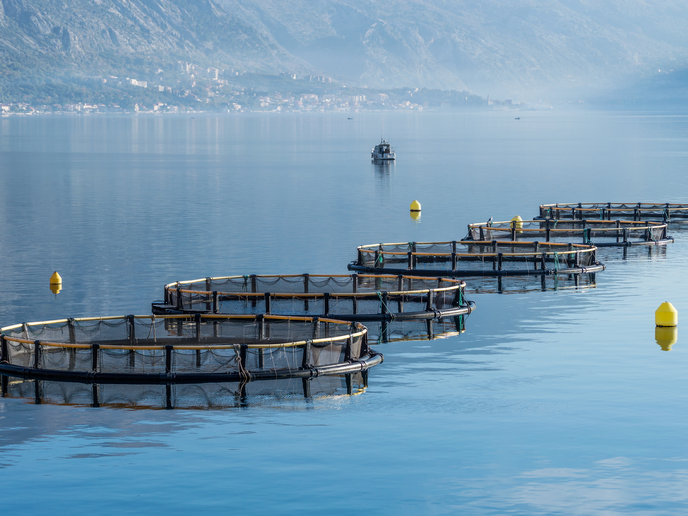
Aquatic food production depends largely on a narrow range of species and resource-intensive practices. This static model contributes to eutrophication, overfishing and inefficient feed use which exacerbate environmental pressure. Addressing these challenges requires a fundamental shift towards more diverse, circular and sustainable systems.
Diversifying seafood production
The EU-funded NOVAFOODIES(opens in new window) project responded to this need by developing integrated solutions that transform how aquatic resources are produced, processed and brought to market. The underlying idea was to mimic natural ecosystem services, considering that marine and freshwater resources offer untapped potential for Europe’s future food systems. The goal was to reduce environmental impacts while increasing productivity and resilience. “We want to prove that aquatic food production can be part of the environmental solution, not the problem,” explains project coordinator Augusto Márquez. Algae play a central role in this transformation. Rich in nutrients and capable of capturing carbon dioxide, both microalgae and macroalgae provide a sustainable basis for new food products and aquaculture inputs. However, the project emphasises that algae alone are not sufficient. Instead, there is a need to restructure the entire value chain, combining sustainable production, waste recycling and improved traceability.
Innovative solutions
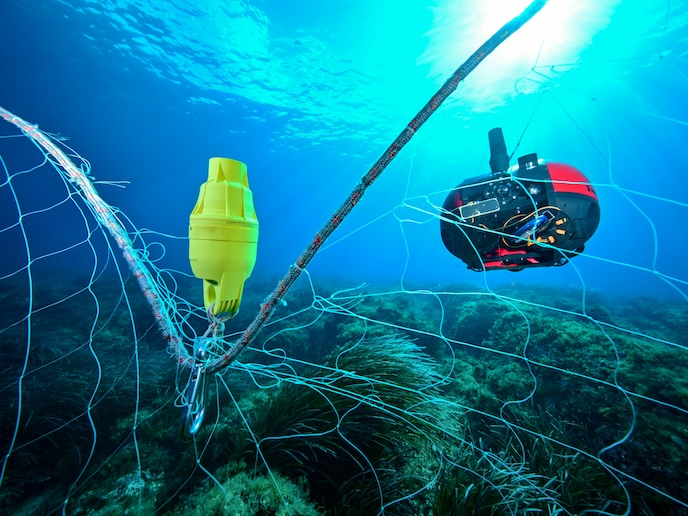
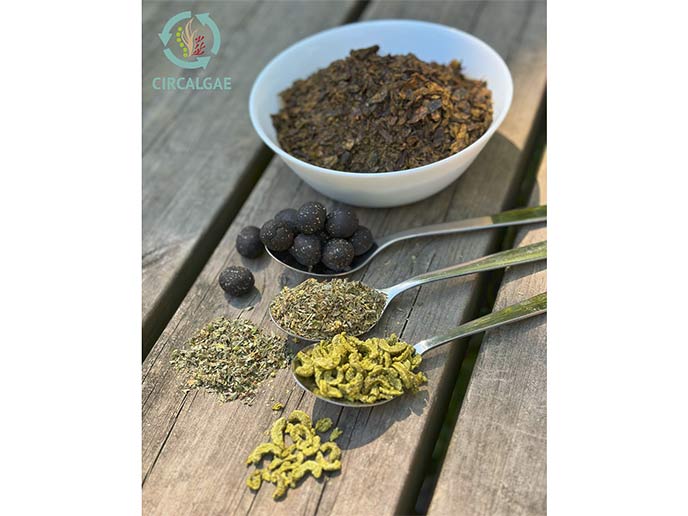
NOVAFOODIES has developed a diverse portfolio of technologies and prototypes that intervene across various stages of the aquatic food value chain. Among the most promising advances is a microwave-assisted drying process(opens in new window) for algae, which improves energy efficiency but also ensures the preservation of sensitive nutritional compounds. This technology effectively mitigates one of the sector’s key bottlenecks, significantly reducing operational costs. Furthermore, the project has pioneered an innovative biorefinery concept(opens in new window) for the extraction of functional ingredients from microalgae species (such as Chlorella and Schizochytrium). This process enables the creation of new high added-value cosmeceutical, nutriceutical and pharmaceutical products, besides novel food and feed products such as algae-enriched pasta, yogurt-type desserts and seaweed-based snacks designed to meet evolving consumer preferences. NOVAFOODIES solutions extend beyond food production. The consortium has developed processes to produce ecological packaging materials from macroalgae and convert beach wrack into valuable biomass for aquafeeds. Fisheries bycatch, often discarded, has also been transformed into marketable food products, demonstrating how waste streams can become economic opportunities.
Real-world applications
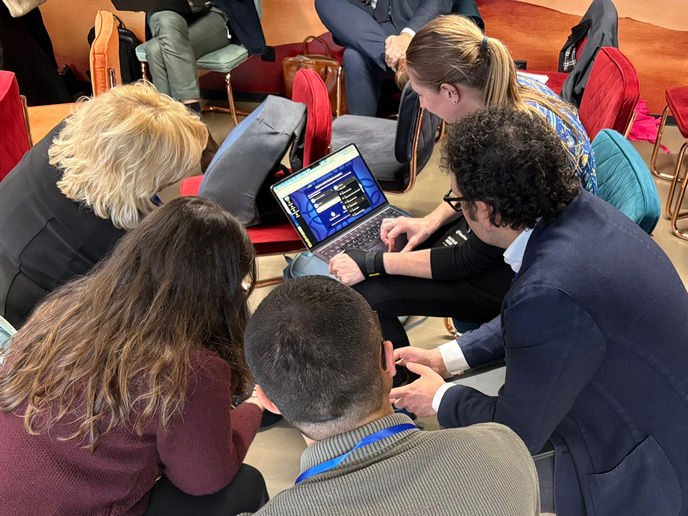
The NOVAFOODIES consortium has conducted a series of field demonstrations to validate their proposed methodology. Multi-trophic aquaculture systems have been tested across seven diverse environments and demonstrated that species co-cultivation can reduce waste and improve resource efficiency. Within these systems, nutrients from one species serve as inputs for another, fostering balanced and regenerative production cycles. Additional pilots have provided evidence for waste reduction and local economic development. The valorisation of underutilised biomass into high-value products has created new business opportunities while reducing environmental burden. Equally important is the project’s focus on consumer trust. NOVAFOODIES generated a digital platform and a mobile application for comprehensive product traceability. Consumers can access real-time information on product origin, safety and environmental impact, addressing a key barrier to the acceptance of novel marine-based foods. Looking ahead, the consortium aims to commercialise its key results, including securing intellectual property and supporting market uptake. “Our solutions are highly transferable, having been tested in diverse environments across Europe,” emphasises Márquez.