



Next-gen thyroid model helps identify endocrine disruptors

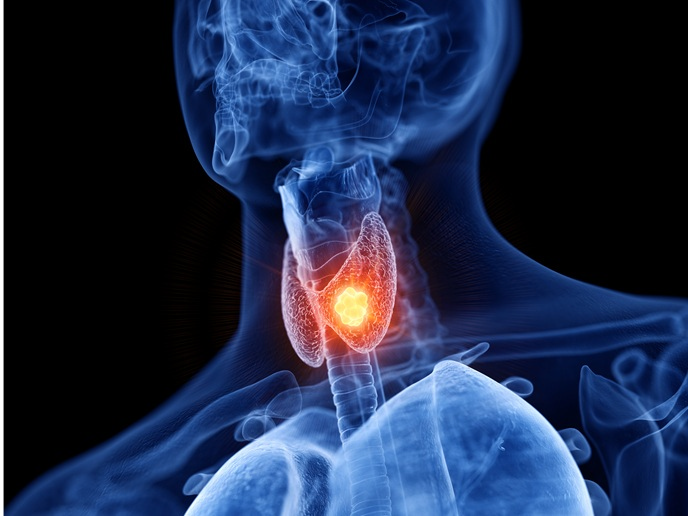
The endocrine system is a complex network of glands and organs that create and transport hormones around our body, regulating many physiological processes including heart rate, sleep, mood, the reproductive system and neurodevelopment. Mounting evidence suggests that chemicals we are exposed to from everyday items such as tins, plastics and household appliances affect the proper functioning of the endocrine system. These chemicals, known as endocrine disruptors (EDs), have been linked to a range of conditions, from obesity to infertility. EDs are known to interfere with the thyroid, a butterfly-shaped organ in the neck that controls the body’s metabolism. But confirming a causal link between exposure to EDs and adverse effects is difficult, in part as the availability of human thyroid tissue for testing is low. In the SCREENED(opens in new window) project, researchers developed 3D thyroid models to help scientists study the effects of EDs on thyroid glands. This included bioprinted organoids that more closely mimic the functioning of real thyroid glands than current testing models. “The organoids provide a more mature and realistic model of the thyroid, because the organoid follicles compromised by EDs have the same signature as thyrocytes [natural follicles] in the native thyroid,” explains Lorenzo Moroni(opens in new window), a professor of Biofabrication at Maastricht University(opens in new window) in the Netherlands.
Development of new thyroid models
SCREENED developed three different 3D in vitro models, two of which came from human cells and one derived from mice. These models were then used to screen the effect of EDs on thyroid function. “The models were tested with a battery of EDs – 16 chemicals at different concentrations – and we found that the organoid model, and even more so the bioprinted model, were much more sensitive to chemical concentrations than thyrocytes in 2D,” notes Moroni. A major development in the project was the design of a bioreactor that could dramatically speed up testing of EDs on the new models. “The microphysiological system battery that we have developed is remarkable as it allows us to run more than 50 tests in one go,” says Moroni. “This provides an important throughput to 3D cell culture systems, which are otherwise difficult to scale up in terms of screening capacity.”
Advances in organoid-on-chip models
Using the bioprinted thyroid model, researchers were also able to identify EDs at much lower chemical concentrations than with other testing systems, by measuring end points such as thyroid hormone production and dysregulation. SCREENED researchers hope to continue the research and are planning to apply for further funding. Their next project could include placing more organs in communication with thyroids, to assess the effects of exposure of other parts of the body to environmental chemicals such as EDs or medicines with side effects that may disrupt the thyroid.