


Health Biotechnology collaborative research funded by the European Commission powers next‑generation therapies

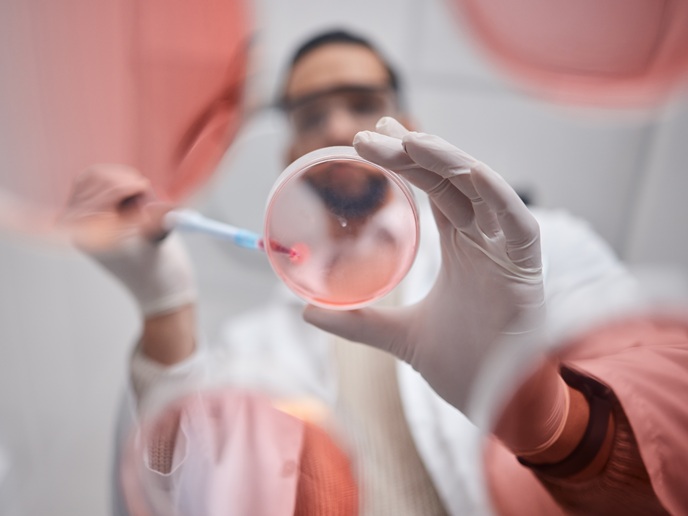
Biotechnology is undergoing a moment of unprecedented visibility. From its central role in the proposed FP10 framework(opens in new window) to its designation as a targeted investment area under the Strategic Technologies for Europe Platform(opens in new window) (STEP), biotechnology is now firmly positioned as a pillar of Europe’s competitiveness. The 2025 Strategy for European Life Sciences(opens in new window) and the recently proposed European Biotech Act(opens in new window) further underscore this momentum, placing health biotechnology at the heart of Europe’s industrial and innovation strategy. These actions collectively aim at creating the conditions in which research and innovation in health biotechnology will thrive. A strong research and industrial ecosystem will in turn enhance timely access for patients to innovative treatments and products, improving their quality of life. This Pack highlights 10 EU‑funded projects that exemplify how collaborative research under Horizon 2020 Pillar II is driving scientific excellence and delivering benefits to patients. These projects span regenerative medicine, precision immunotherapy, AI‑enabled diagnostics, advanced manufacturing and next‑generation implants, illustrating the breadth and impact of Europe’s health biotech ecosystem. Several projects focus on accelerating the delivery of innovative new treatments. AutoCRAT developed automated systems to quickly assess stem cell‑based treatments for osteoarthritis, while REPO‑TRIAL used a systems medicine approach to stratify patients based on disease mechanics, allowing for more precise drug-purposing trials. Using a synthetic, 3D-printed thyroid model, the SCREENED project drastically improves our capacity to identify endocrine-disrupting chemicals in the environment. An array of research is centred on regenerative approaches to chronic and degenerative diseases. JOINTPROMISE and NSC‑Reconstruct push the boundaries of tissue engineering by bioprinting living implants capable of regenerating bone and cartilage, and stem cell‑derived neural grafts to repair damaged brain circuits respectively. The VANGUARD project developed a living bioengineered implant to replace the function of the pancreas, offering a path to curing type 1 diabetes. The projects also demonstrate how biotechnology can transform long‑standing clinical challenges through personalised therapies. EU‑TRAIN created AI‑driven tools to improve risk stratification in kidney transplant patients, reducing unnecessary biopsies. ImmunoSep successfully improved outcomes for sepsis patients through treatments tailored to specific immune dysfunction profiles. HIT-CF was able to screen cystic fibrosis patients with ultra-rare genetic variants to deliver targeted therapies, while FEMaLe used AI-powered tools to identify subtle patterns indicative of endometriosis, powering much earlier diagnoses. Collectively, the projects illustrate how EU‑funded research is delivering the scientific foundations, technological platforms and clinical evidence needed to advance Europe’s leadership in health biotechnology. As Europe intensifies its focus on strategic technologies, these results demonstrate the critical role of sustained investment in enabling breakthrough innovation. By supporting collaborative, multidisciplinary research across the health biotechnology landscape, Horizon 2020 Pillar II continues to drive progress towards more effective, personalised and accessible therapies, improving the lives of patients across Europe and beyond.