



Integrated diagnostic workflows for personalised cancer care


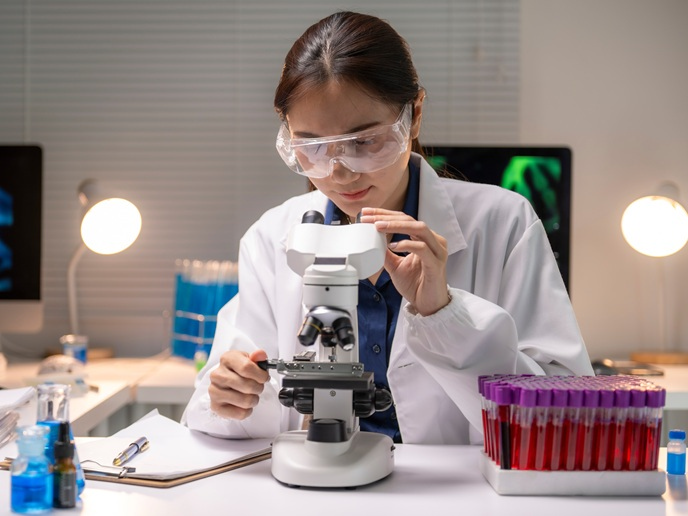
Next-generation sequencing (NGS) is a cutting-edge technology that is transforming cancer diagnosis and research. Huge amounts of data are generated through the sequencing of millions of small DNA fragments simultaneously, helping clinicians to identify specific mutations in cancers, select the most appropriate drugs and personalise treatments. “NGS is now part of state-of-the-art patient care,” says Instand-NGS4P(opens in new window) project coordinator Kurt Zatloukal, professor of Pathology at the Medical University of Graz(opens in new window). “However, bioinformaticians are often needed to manage and extract the huge amounts of information generated, which creates a major bottleneck for implementation in healthcare systems. There is also a lack of clarity about how innovative technologies like NGS can be applied to meet current regulatory requirements.”
Collection to clinical decision-making
The project set out to ensure that the full benefits of NGS for patient care can be realised. A central aim was to seamlessly link patient sample collection, sequencing and lab work with clinical decision-making. This was achieved by developing integrated and standardised NGS workflows for common and rare cancers in adults and children, through a pre-commercial procurement grant. This enables public authorities to share R&D risks and costs with suppliers through prototyping and testing before large-scale deployment. “A buyers’ group of leading medical centres with wide experience in patient care and oncology was formed,” explains Zatloukal. “This group defined in the context of an open market consultation unmet needs, and also provided real patient data and samples for the development and tested the developed solutions.” The project team also comprised patient advocacy groups. These organisations were able to identify key patient needs and articulate the tangible benefits that a coordinated NGS workflow should achieve, as well as provided guidance on how results from NGS are properly explained to patients.
Complete cancer diagnostic workflow
Following a series of competitive calls for tender, innovative solutions were developed by technology providers to improve and coordinate various aspects of the NGS workflow and tested in real-world conditions. The complete diagnostic workflow included: pre-analytical steps such as specimen collection, storage and transport; and a decision support system for doctors that interprets a wide range of cancer-related data generated by NGS technologies as well as integrating data from clinical records. “All this was a huge amount of work,” notes Zatloukal. “The challenge to build a complete diagnostic workflow involved creating a number of different technologies and products. Some products such as new pre-analytical methods are already available on the market for research purposes. Next steps will include launching a public procurement of innovative solutions, which will help to achieve market readiness.”
Guidance on building NGS workflows
Another key milestone from Instand-NGS4P has been the contribution to two European standards (CEN) on complete diagnostic NGS workflows. These standards, which build on the experiences of the project, are designed to help developers implement and integrate systems that will ultimately benefit patients. The standards cover all the steps needed to obtain successful and reliable sequence results, from sample collection to library preparation and sequencing, through to analysis and reporting. “The standard provides guidance for developers, regulators and users on requirements for using NGS in medical diagnostics,” adds Zatloukal. “This will help to overcome major barriers for bringing innovative NGS solutions to the diagnostic market.” This work currently feeds into the development of new ISO standards(opens in new window), ensuring global compatibility in the development of seamless NGS workflows. “I have never participated in a project like this that has had so many tangible outcomes,” remarks Zatloukal.