Reducing cancer deaths through better screening


Colorectal, breast and cervical cancer together cause 155 000 deaths per year in Eastern Europe. There is strong evidence however to suggest that a large proportion could be prevented by implementing more robust screening programmes that in particular reach vulnerable sections of society.
Improving existing screening programmes
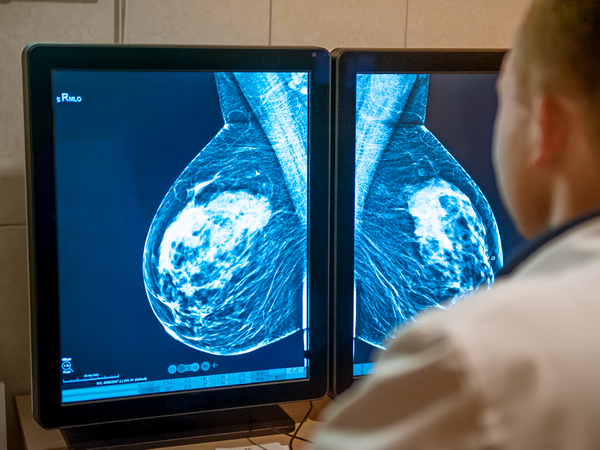
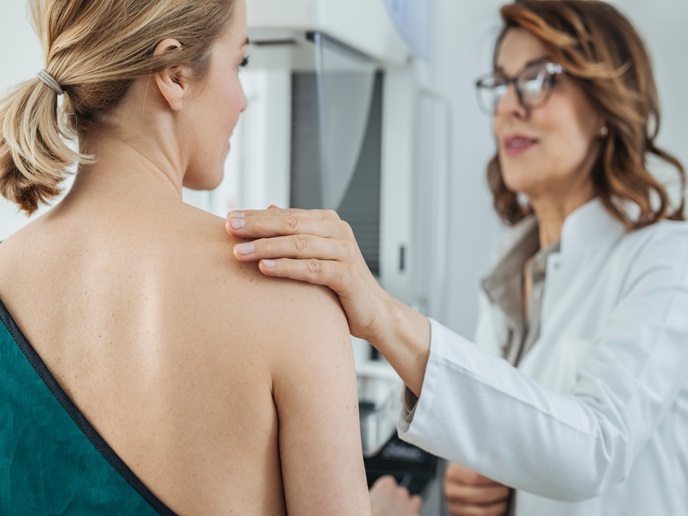
To demonstrate this, the EU-TOPIA-EAST(opens in new window) project set out to improve existing screening programmes in three representative Eastern European countries: Romania (with a focus on cervical cancer), Georgia (breast) and Montenegro (colorectal). The project built on a previous EU-funded project called EU-TOPIA, which developed road maps to improve these cancer screening programmes. “In this project, we wanted to refine these road maps into action plans,” explains project member Eveline Heijnsdijk from Erasmus University Medical Centre(opens in new window) in the Netherlands. “These action plans, which take local health and social systems into account, would then lead to changes to current screening programmes.” The project also wanted to take account of practical cancer screening issues such as the resources needed, as well as the cost-effectiveness of scaling up interventions to the national level. It was also important to ensure that recommendations and best practices would benefit not only the three target countries, but the wider region as a whole.
Under-represented communities in screening uptake
EU-TOPIA-EAST began by collecting data from the three countries. “For all countries, simulation models were developed to evaluate the short- and long-term harms, benefits and cost-effectiveness of current screening programmes,” says Heijnsdijk. Analysis was also carried out to identify stakeholders (such as local grassroots organisations) that could help in overcoming barriers to more comprehensive screening. These analyses were used to outline appropriate and feasible actions to improve uptake. “Current data flow was analysed and issues related to data collection management and quality assurance identified,” adds Heijnsdijk. “We checked whether the necessary information to calculate key quality indicators was available, and whether data collection complied with EU and national privacy legislation requirements.” Workshops and round-table discussions involving policymakers and screening programme coordinators were held, with a focus on ensuring equitable interventions. Low-income groups and minorities are often under-represented in screening uptake. Bringing policymakers, programme coordinators and researchers together helped the project team to identify societal and economic barriers to implementing optimal screening programmes.
Tackling non-communicable diseases
This work has resulted in implemented improvements. In concrete terms, IT systems have been updated, and in Georgia a new screening centre opened. In Romania and Montenegro, significant efforts have been made to communicate with difficult-to-reach populations. “In Montenegro, a new colonoscopy centre has been opened,” says Heijnsdijk. “The country’s colorectal cancer screening programme has been restarted having stopped for two years. Programmes have been continuously monitored, with improvements in invitation coverage and compliance observed.” Various tools and webinars developed by the project team are still available online. The hope is that these will be accessed by public authorities and screening professionals outside of the project, ensuring that EU-TOPIA-EAST’s results continue to be implemented. Ultimately, improved screening programmes will contribute to the United Nations’ Sustainable Development Goal 3.4: ‘By 2030, reduce by one third premature mortality from non-communicable diseases through prevention and treatment’.