Centring bio-based fertilisers in nature-based farming solutions

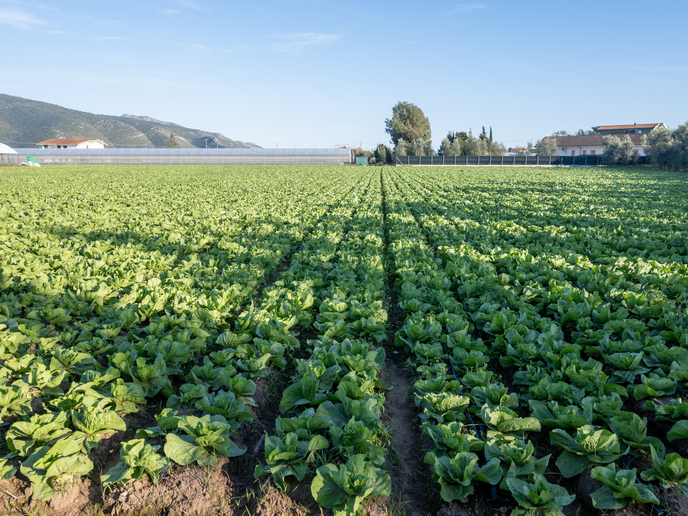
With a growing global population, farming is an essential sector, but it is vulnerable to extreme climate events such as drought and heatwaves. Furthermore, conventional agricultural practices can negatively impact soil quality and biodiversity, releasing greenhouse gases and other pollutants into the environment. To make agricultural production more sustainable and reduce negative environmental impacts, farmers can choose to adopt a variety of nature-based solutions (NBS). Under the guidance of project coordinator Andrea Knierim at Hohenheim University, the EU-funded trans4num(opens in new window) project studied a number of promising solutions in multiple sites across Europe and China.
Nature-based solutions in context
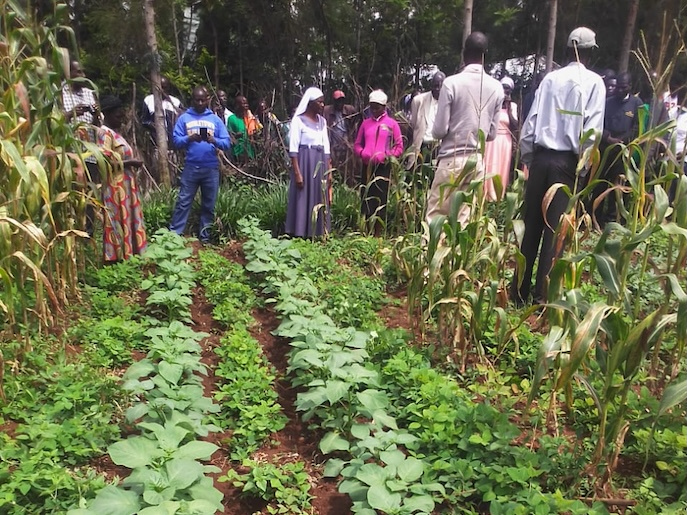
Many NBS exist, targeting concerns such as soil restoration, nutrient management and carbon storage. Their efficacy depends on the engagement of a wide range of stakeholders, and context is always important. With 22 partners in Europe and China, trans4num tested 20 NBS in seven regions with intensive farming systems, involving crops such as wheat, barley and potatoes and characterised by high levels of fertiliser use and mechanisation. European sites included farmland in Denmark, Hungary, the United Kingdom and the Netherlands. In China, test sites included farmland in Chongqing Highland, the North China Plain and the Northeast China Plain. The project focused particularly on bio-based fertilisers and crop rotation. Fertilisers made from digestate(opens in new window), biorefinery residues and other organic materials are especially promising. As project research coordinator Qirui Li shares, “Our results show that bio-based fertilisers are technically ready in our selected intensive farming systems; the main challenge is not proof of concept, but motivating farmer engagement and creating the economic, regulatory and advisory conditions for large-scale adoption.” Crop rotation also has great potential. Different crop rotations were employed at the different pilot sites with the same results: crop diversification improves soil structure and soil biodiversity, and contributes to the valorisation of circular biomass systems. Successful NBS involve a context-driven, multifaceted approach. According to Li, “A key finding is that the most promising NBS are not single practices, but integrated interventions linking crops, soils, biomass, nutrients and potential value chains.”
Nutrient management tools for farmers
Even the most promising NBS will fail to transform agriculture without stakeholder buy-in. It can be hard for farmers faced with short-term risks, costs and decisions to prioritise the long-term benefits of NBS. To support the adoption of NBS at scale, trans4num adapted the International Union for Conservation of Nature (IUCN(opens in new window) NBS Global Standard) into an integrated framework assessing ecological functionality and socio-economic viability as well as enabling institutional and governance conditions. The project developed multiple easy-to-use tools to support farmers, including the decision support tool (DST)(opens in new window), living labs, various modelling systems and data from remote sensors. “Early feedback from farmers, advisors and stakeholders has been very positive,” Li shares. “Users consistently stress that tools must be simple to use, locally adapted and linked to trusted advisory systems if they are to be adopted at scale.” Even with viable NBS available, adoption will not be easy. European countries are hampered by regulatory complexity and uncertain market incentives. In China, pilot implementation and policy deployment may be faster, but scaling up the application of NBS innovations across diverse local contexts is difficult. Yet, by thoughtfully considering how to accelerate NBS adoption across different climatic, agricultural and governmental contexts, trans4num has sown the seeds for a nature-based future for agriculture.