Turning winery waste into livestock health solutions

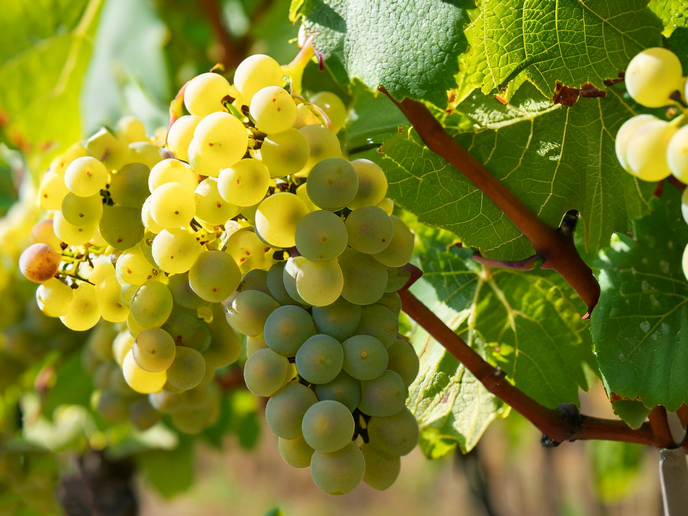
Antimicrobial resistance(opens in new window) is one of the world’s greatest public health challenges, and reducing the unnecessary use of antibiotics in livestock is an important part of tackling it. Natural extracts derived from grape marc – the skins, seeds and stems left over from winemaking – could help farmers keep animals healthier while reducing reliance on routine antibiotic treatments. This is not simply about improving farming practices, it is part of protecting public health through a One Health(opens in new window) approach. Every year, millions of tonnes of grape marc are produced during winemaking, much of which remains underused despite containing valuable natural compounds. Using environmentally friendly extraction techniques, researchers in the EU-funded NeoGiANT(opens in new window) project isolated these compounds to produce e-Vitis, a natural extract with antimicrobial and antioxidant properties. “Sometimes the most valuable innovations come from looking at what we already have with fresh eyes. Grape marc is often considered a waste product, but we saw it as a natural source of bioactive compounds with the potential to improve animal health and welfare while contributing to a more circular and sustainable bioeconomy,” explains project coordinator Marta Lores, Professor of Analytical Chemistry at the University of Santiago de Compostela(opens in new window) in Spain.
Promising results across livestock and aquaculture
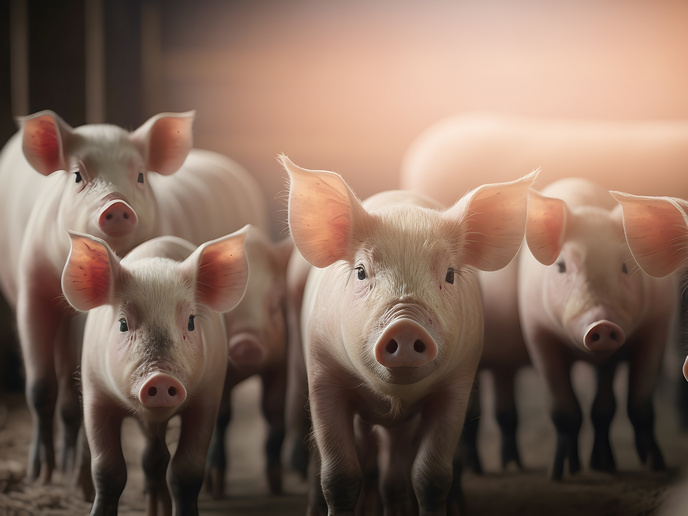
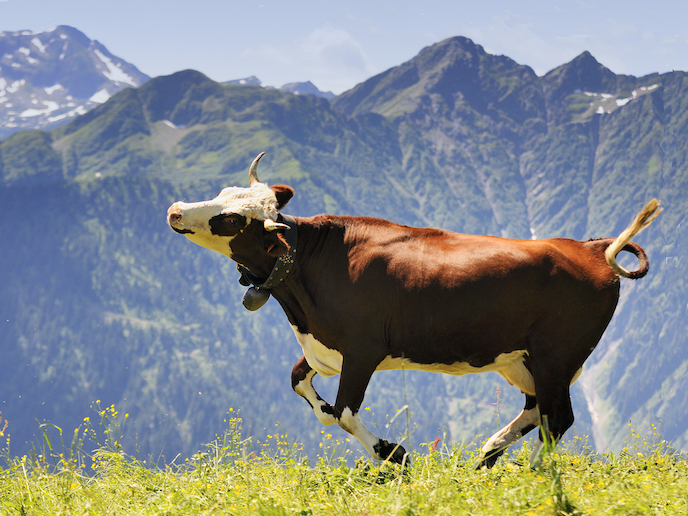
The researchers evaluated the natural extracts in pigs, cattle, poultry and several aquaculture species, including seabass, salmon, trout and turbot. The products showed encouraging results in supporting gut health, strengthening immune responses and improving resilience to disease in several species. Among the most promising developments are feed additives designed to improve animals’ natural health and resilience before disease occurs, reducing the need for preventive antibiotic treatments. The researchers also developed treatment products for livestock diseases and innovative sperm extenders that could reduce, or in some applications, replace conventional antibiotics used during animal reproduction. The research also highlighted that different species respond differently to natural products. This has provided valuable knowledge for developing targeted solutions for different farming systems.
Prevention rather than cure
One of NeoGiANT’s most important findings is that disease prevention offers one of the most effective ways to reduce antibiotic use while maintaining animal welfare and farm productivity. “For me, the greatest opportunity lies in prevention. If we can help animals stay healthier through natural functional solutions, we can reduce the need for antibiotics before disease becomes a problem. That is good for farmers, good for animals and ultimately good for society,” says Lores. Beyond the products themselves, the project team generated new scientific knowledge on natural antimicrobial strategies, contributed to standardisation activities, and strengthened collaboration between researchers and industry. They also produced policy recommendations to help clarify the regulatory framework for using agri-food by-products as sources of functional ingredients for animal production.
The next step towards commercial use
Although NeoGiANT has demonstrated the scientific potential of these natural products, further work is needed before they reach farms on a wider scale. The most promising formulations must now be validated under commercial farming conditions and the necessary regulatory and manufacturing processes completed before entering the market. The researchers are optimistic that the project’s results will provide the foundation for a new generation of natural products that complement existing animal health practices while helping preserve the effectiveness of antibiotics. “The next challenge is turning scientific knowledge into practical solutions that farmers can trust, adopt and use with confidence. That journey requires continued collaboration between researchers, industry, regulators and farmers themselves,” concludes Lores.